A month in Japan with Overseas Adventure Travel (OAT)
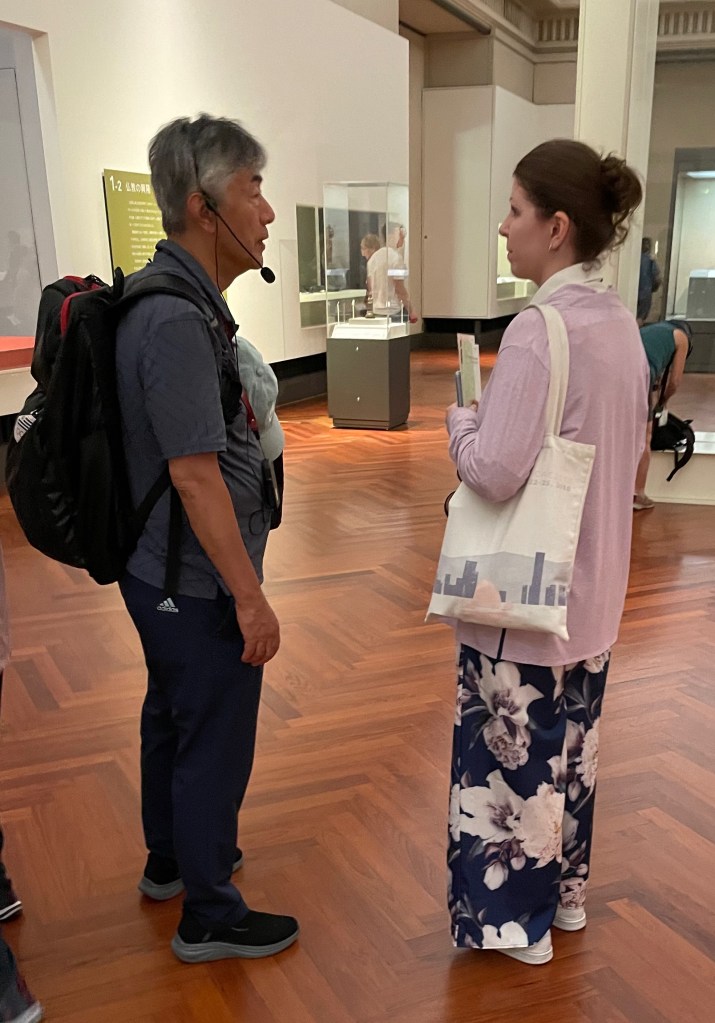
Our trip leaders: Andy – 10 years as a trade advisor in Chicago and Oklahoma City helping Japanese companies establish a presence in the US, former Japanese ambassador to Uruguay, knows his lineage back for 21 generations; Anna – a hazel-eyed Ukrainian tour-guide-in-training/ninja for the group, her English was pretty flawless and probably her Japanese also since she had to jump through extra hoops to assure OAT she could do the job as well as a native; she came to Japan to learn to be a translator and got stuck there by COVID, she was guiding tours for other companies before being discovered by OAT; she did a thorough job of quizzing me on what I thought were the qualities of a good tour guide.
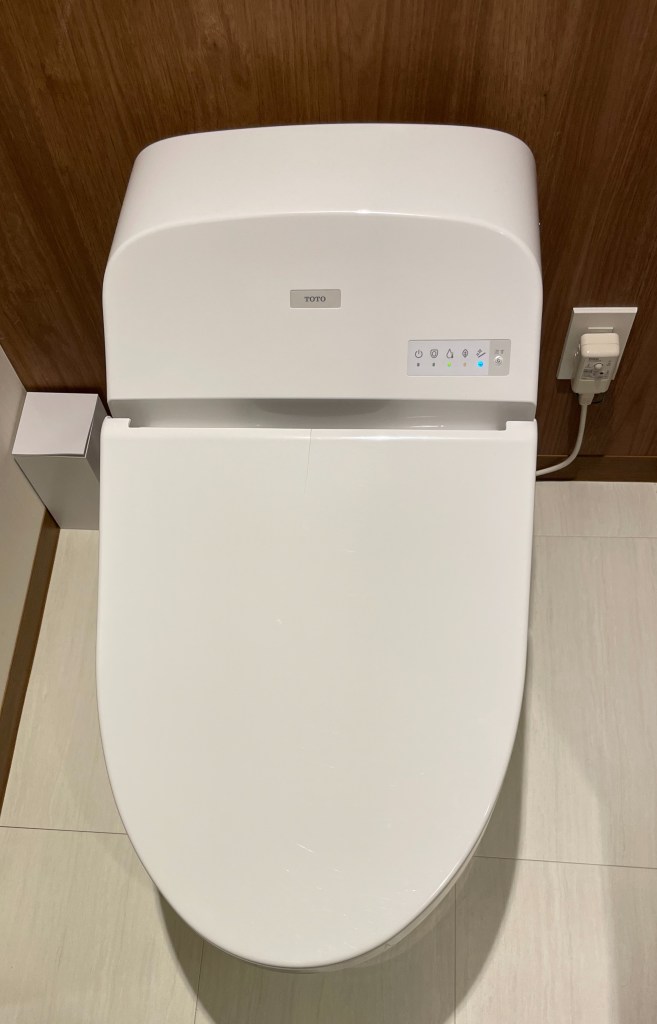
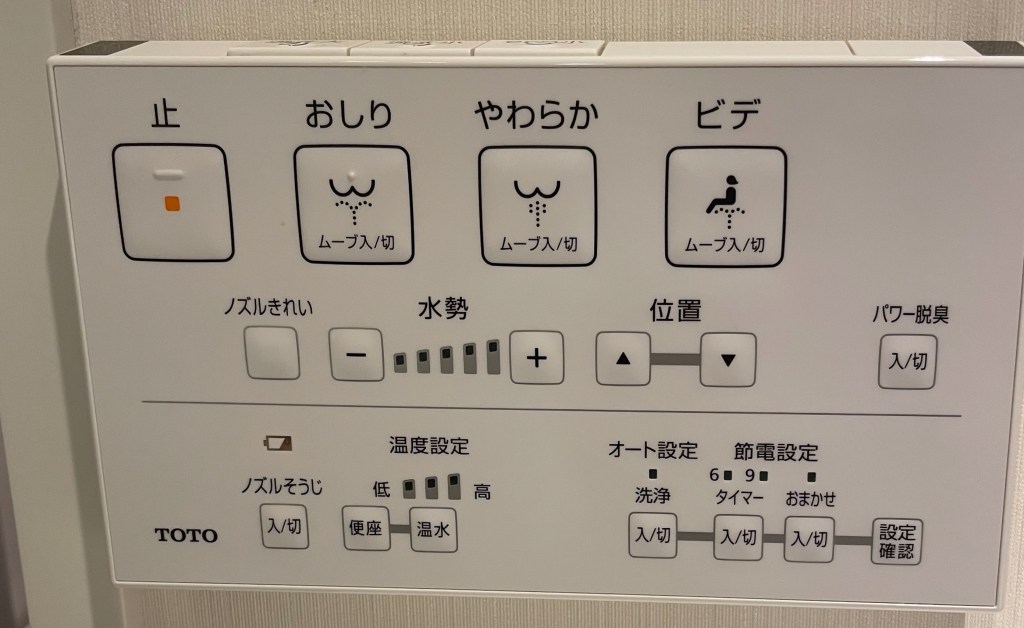
Learning the basics of Japan – electronic toilets and their controls.
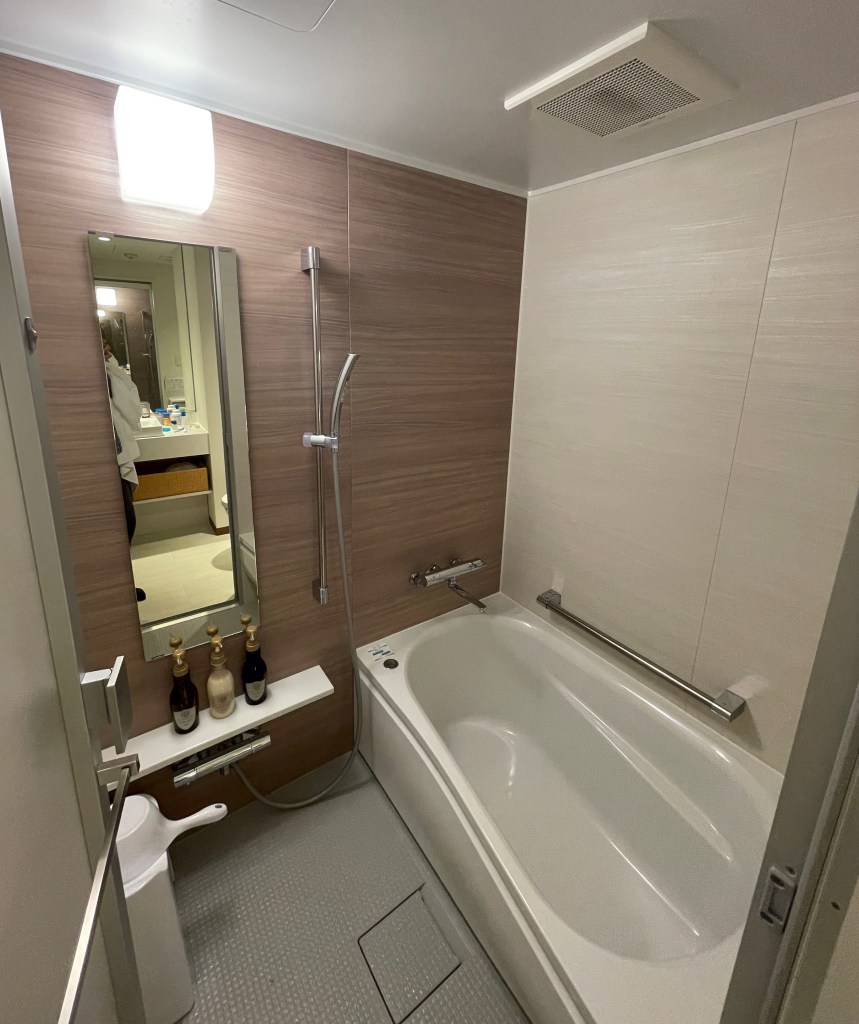
Every hotel had a completely waterproof shower room.

Suica cards were used for transportation In Tokyo and other cities.
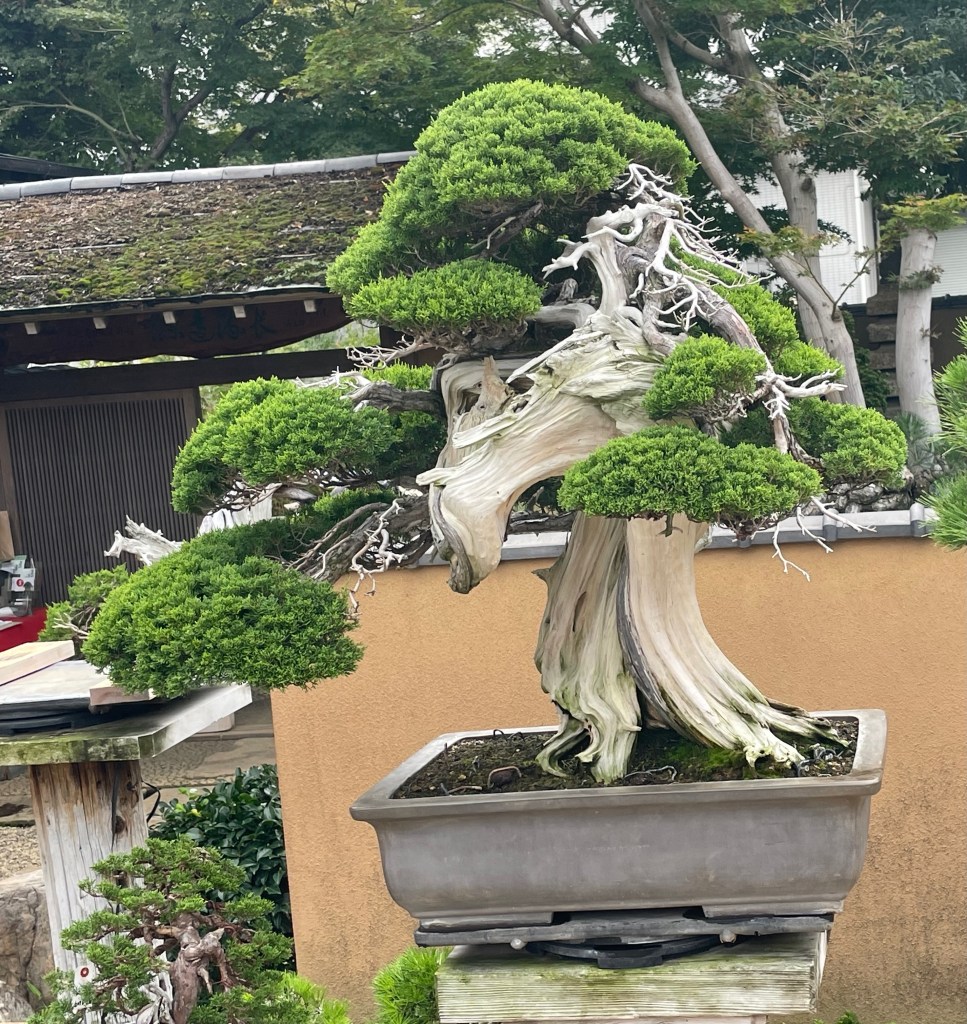
This is a 1200 year old bonsai plant.
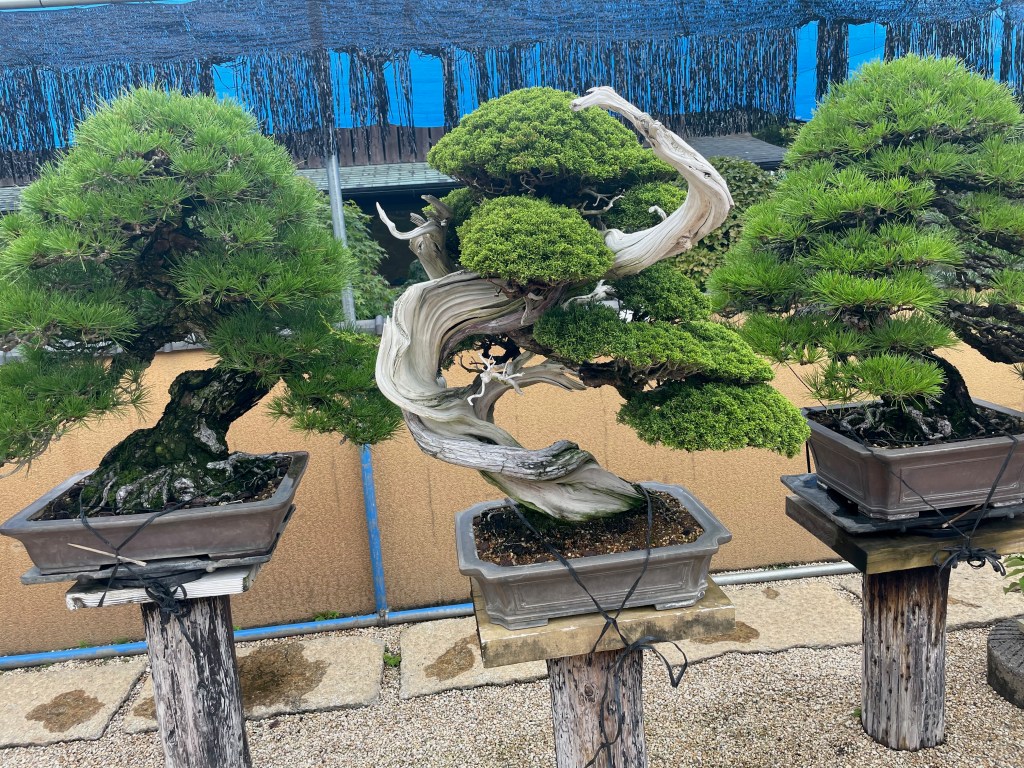

More bonsai – our guide through the bonsai was from Puerto Rico and was in Japan to study under a master.

A cat store – everything for sale was related to cats
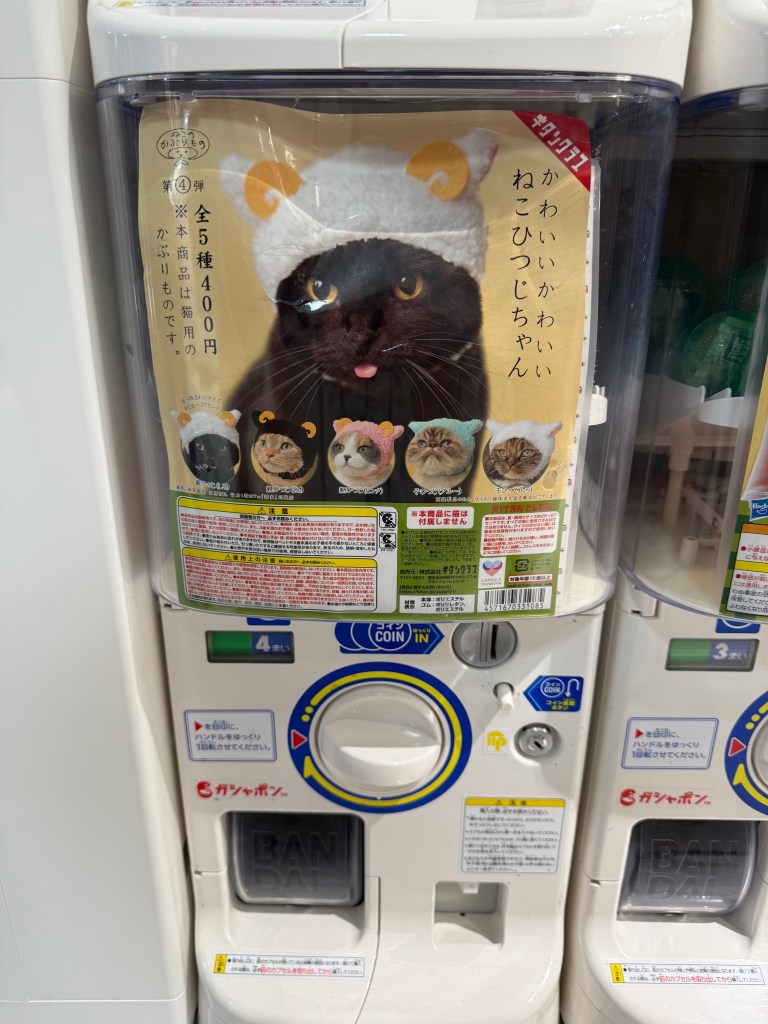
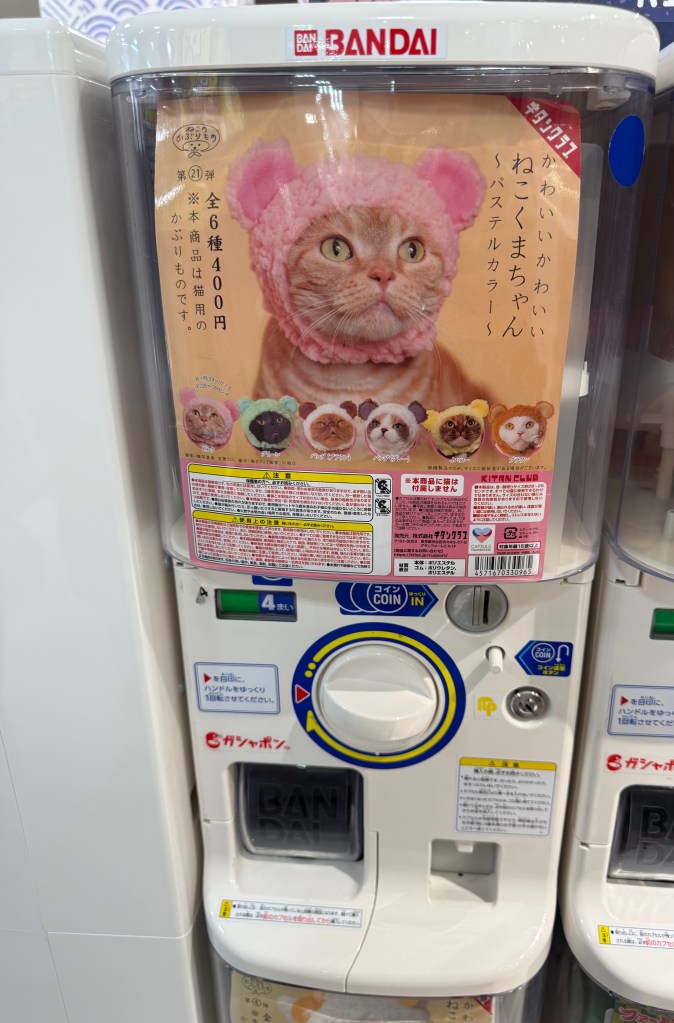
Later in the trip, Diane found these “cat hat” machines – just the thing for Halloween!
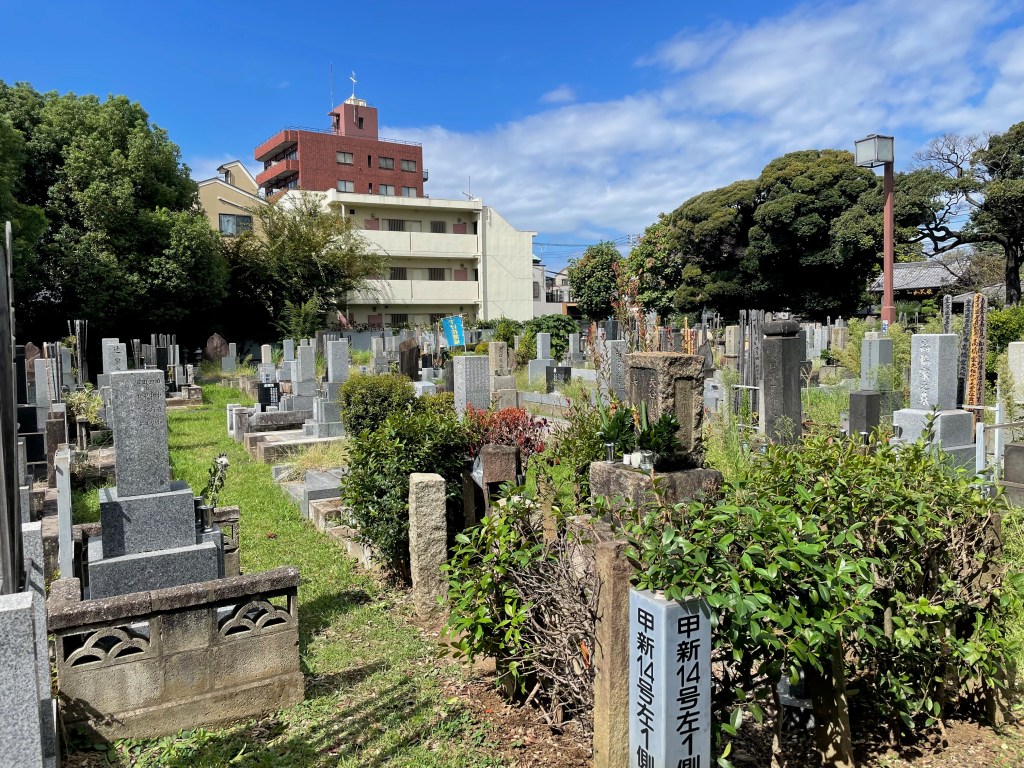
A cemetery in Tokyo – each of these markers may contain the remains of multiple generations of a family.
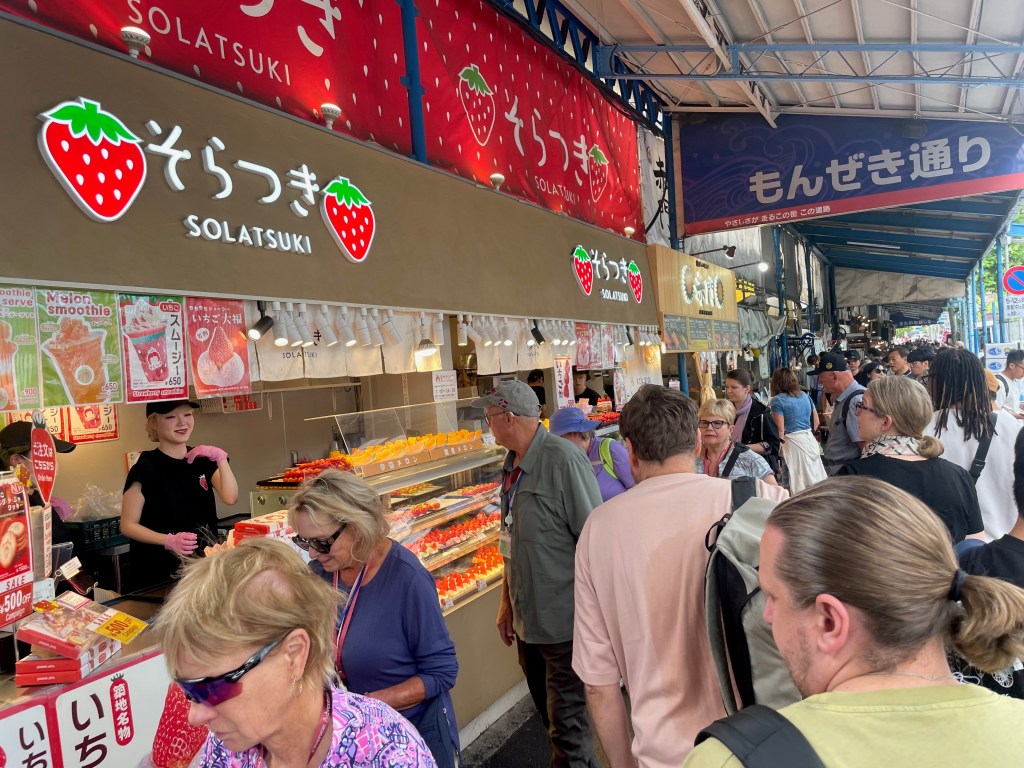
At the fish market
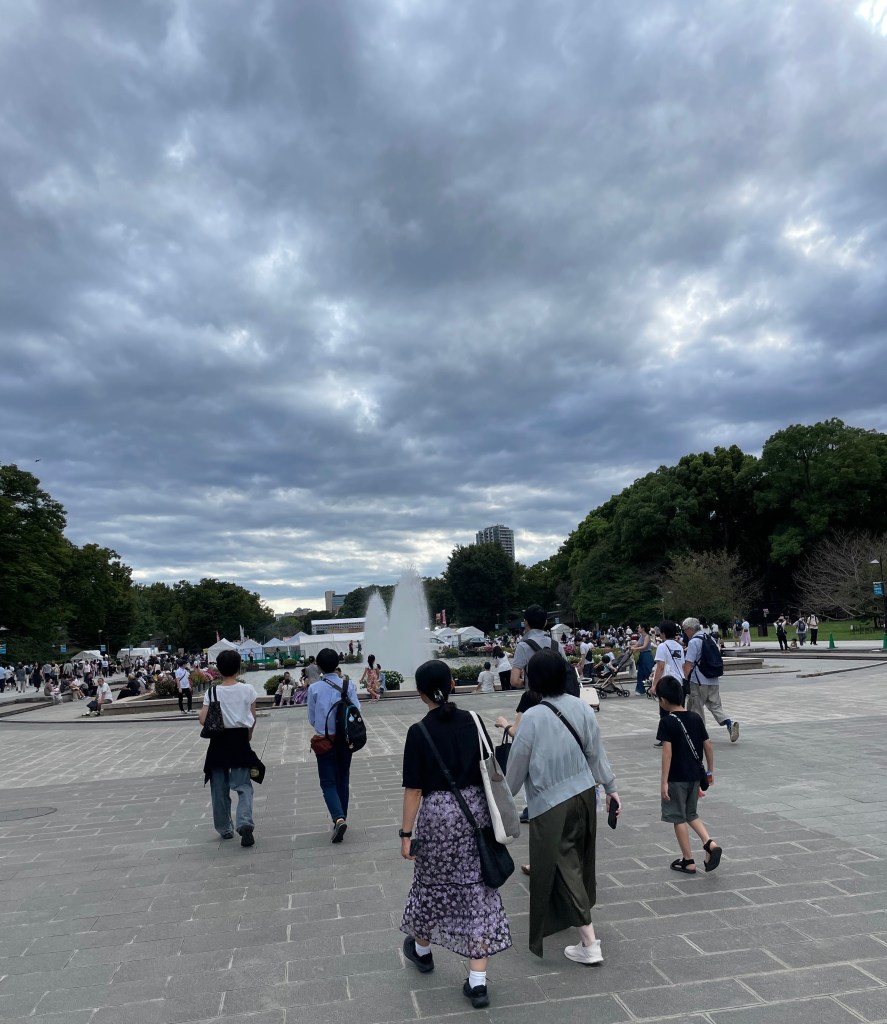
Although the sky was often overcast, we only hhad a couple od days with any rain.

Susan, Marianne, Nancy, Doug, Ron, Diane, Deb, Faye, Andy at the Tokyo National Museum.

Parasol/umbrella storage at the museum
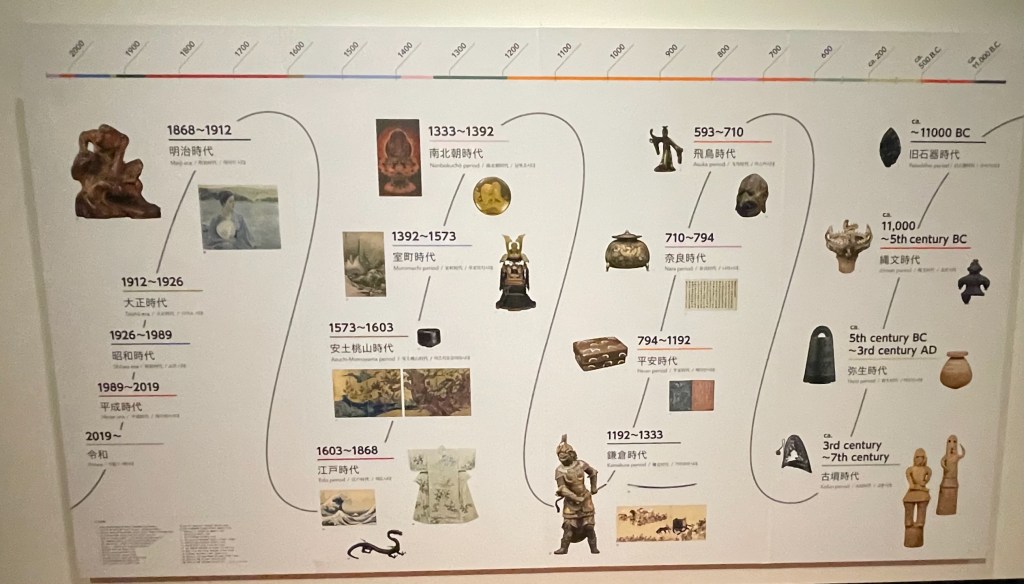
A brief history of Japan
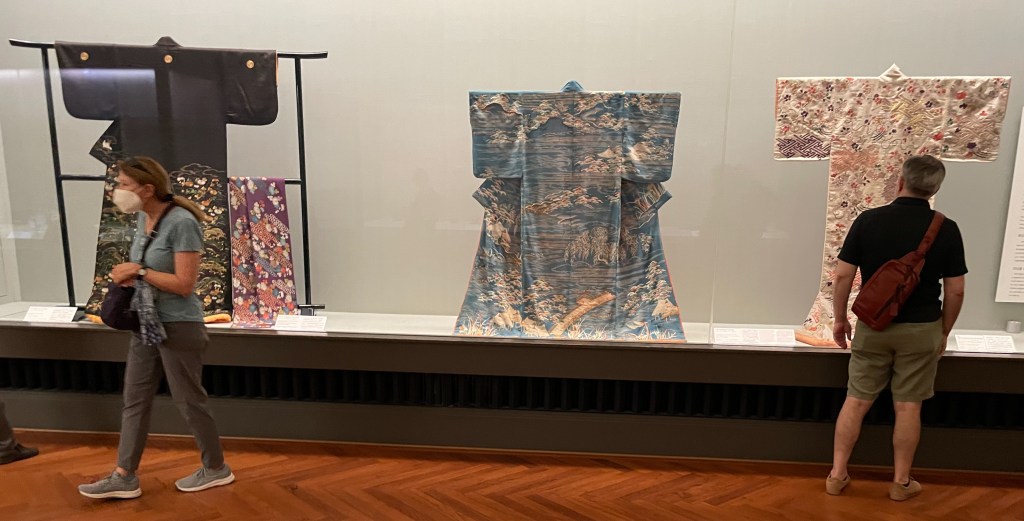
Kimonos at the museum
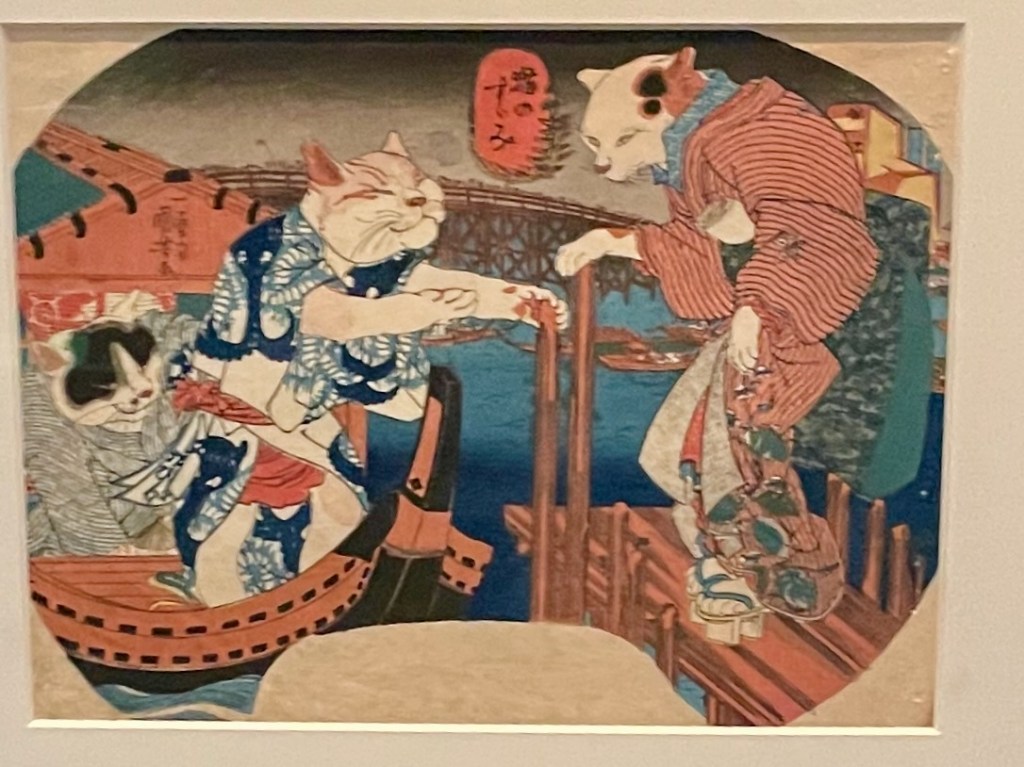
… and also cats
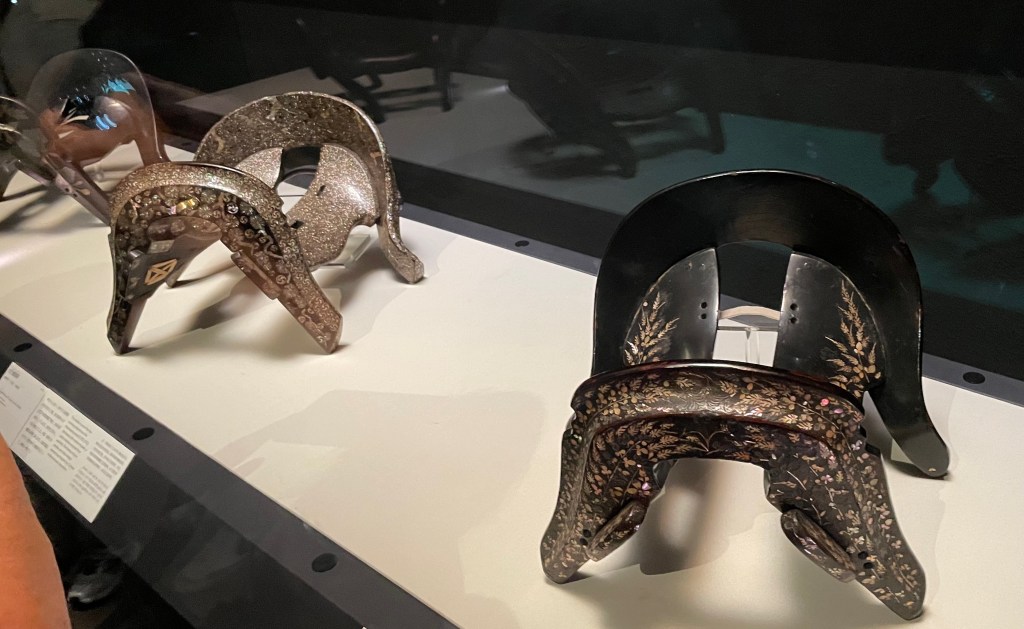
Saddles from the 1300’s
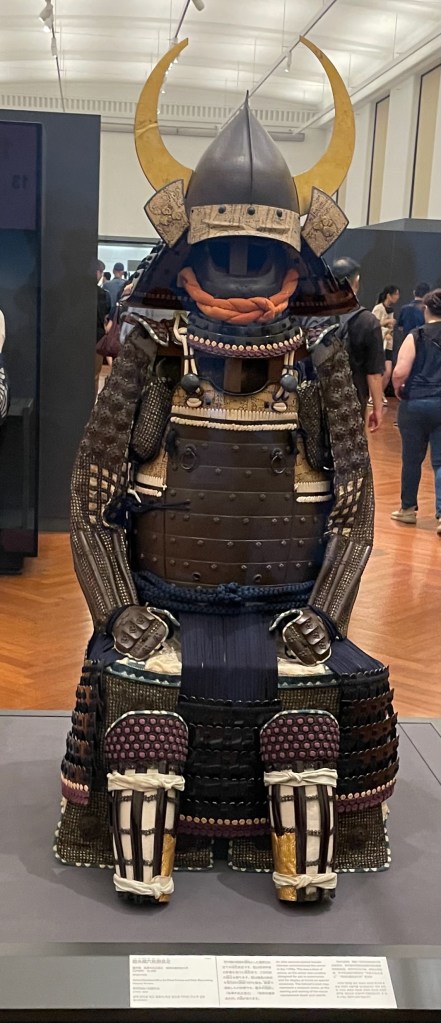
Samurai outfit from the 1700’s
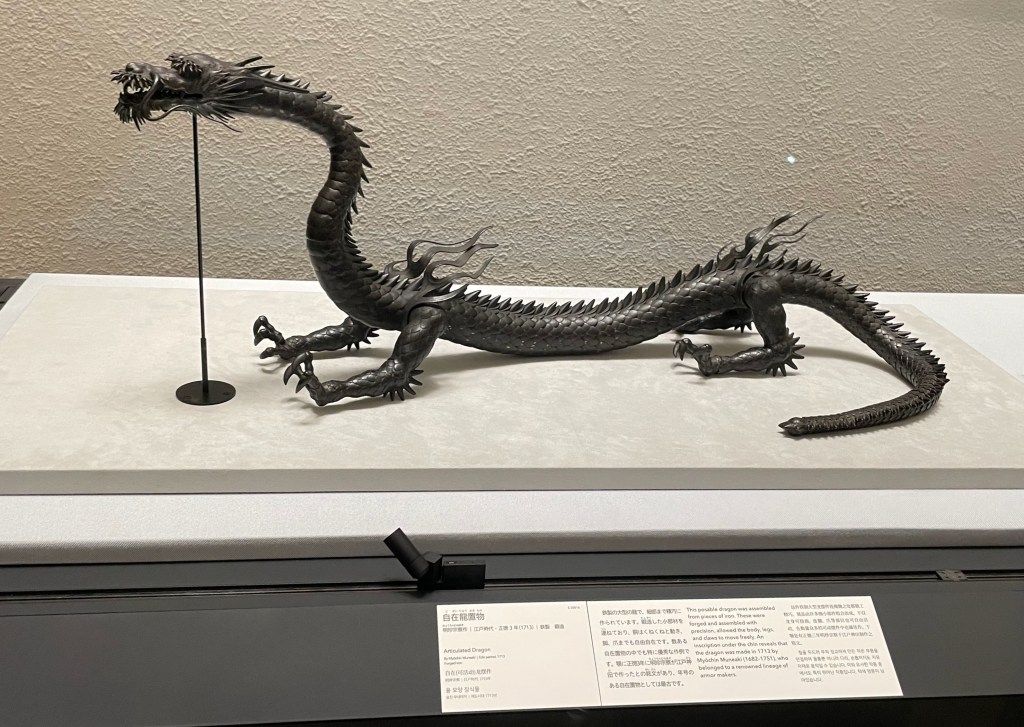
A dragon sculpture I liked
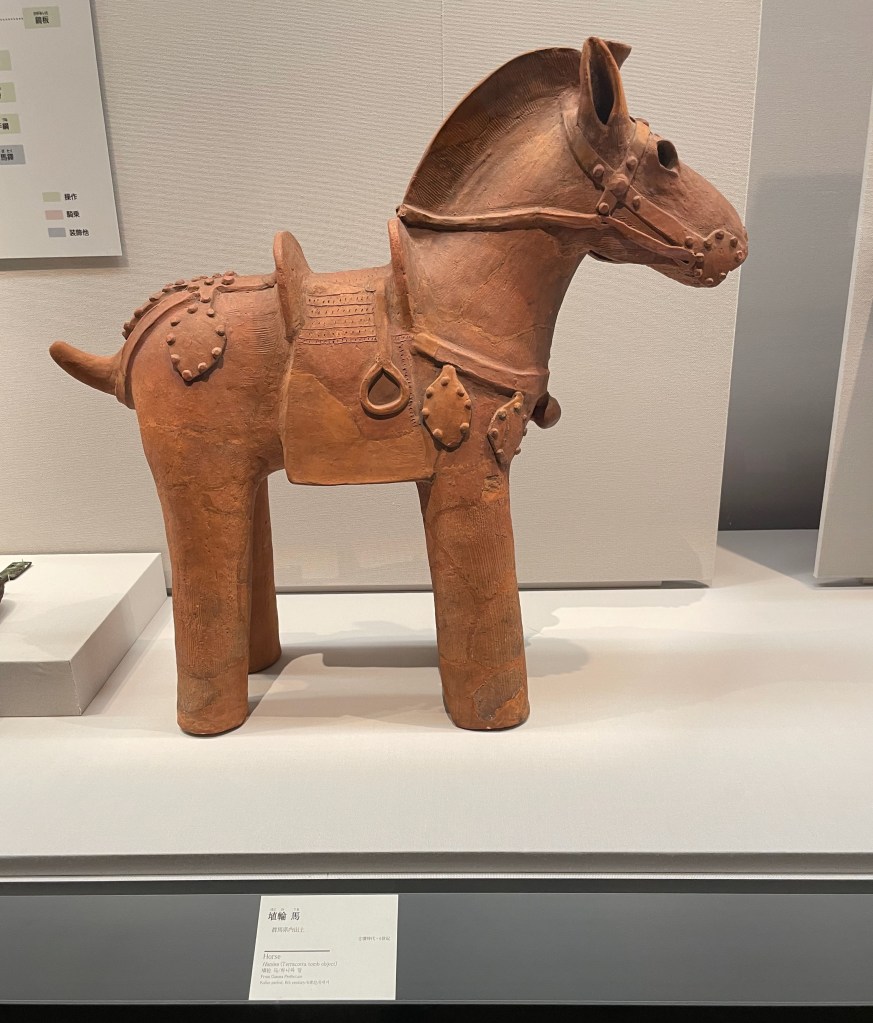
Horse sculpture from the 600’s

… and a tiger I liked
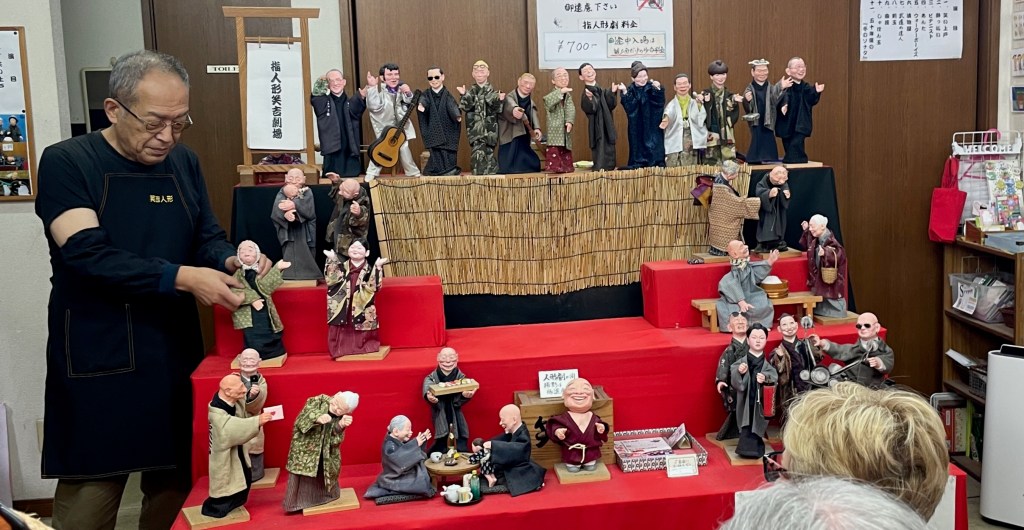
A finger puppet show

Custom puppets can be made from a photo of a person or animal
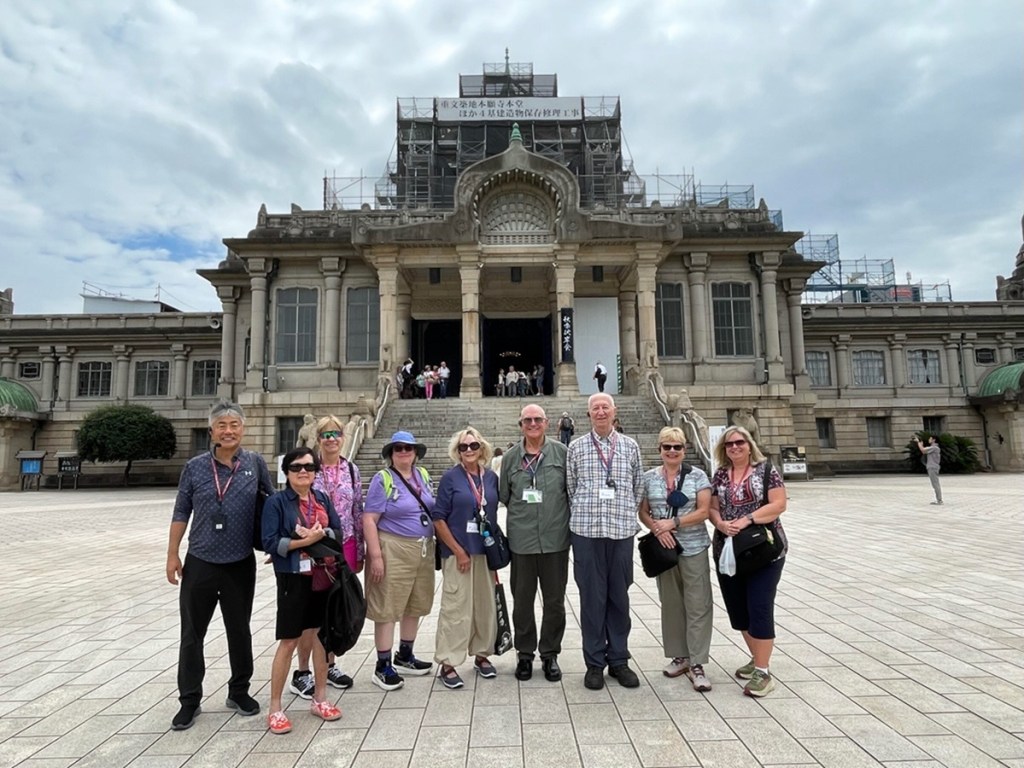
Andy, Faye, Marianne, Susan, Nancy, Doug, Ron, Deb, Diane at Hongangi Temple in Tsukigi
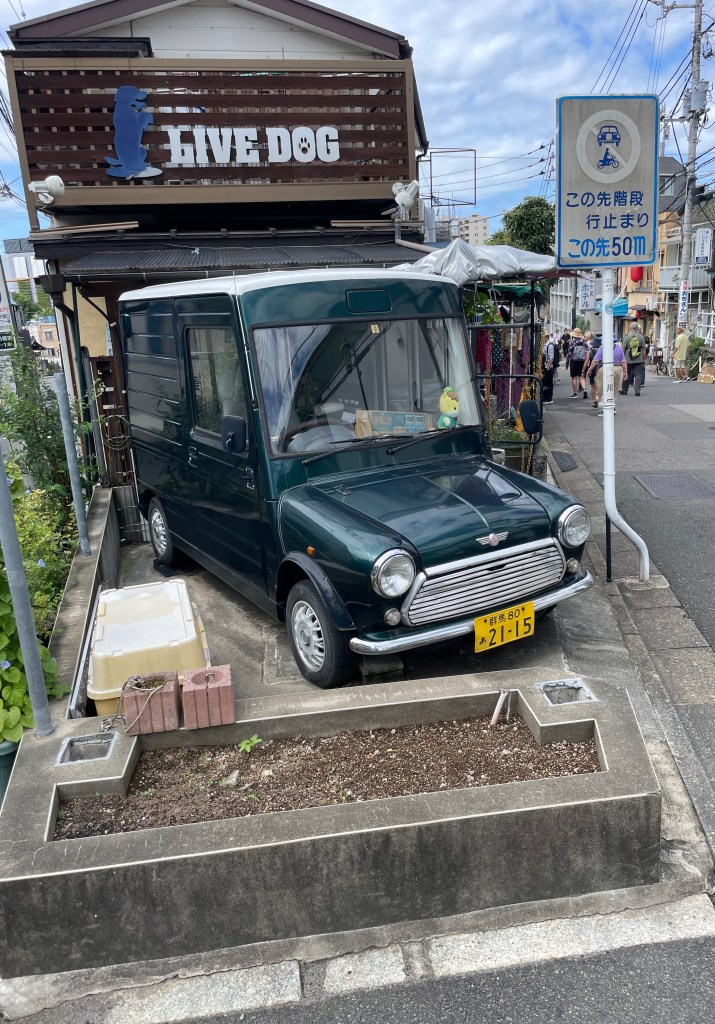
Interesting use of an old Mini
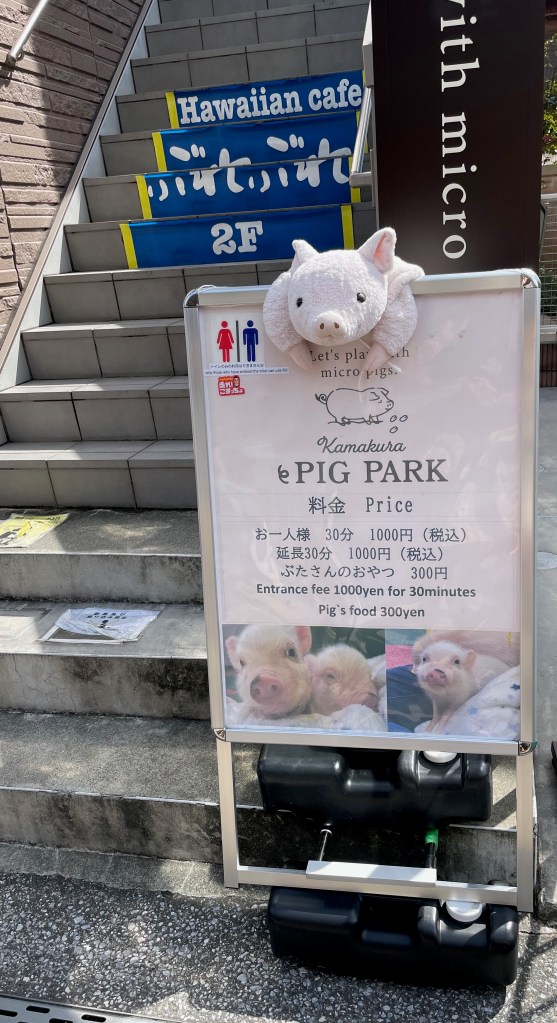
Kamakura Pig Park
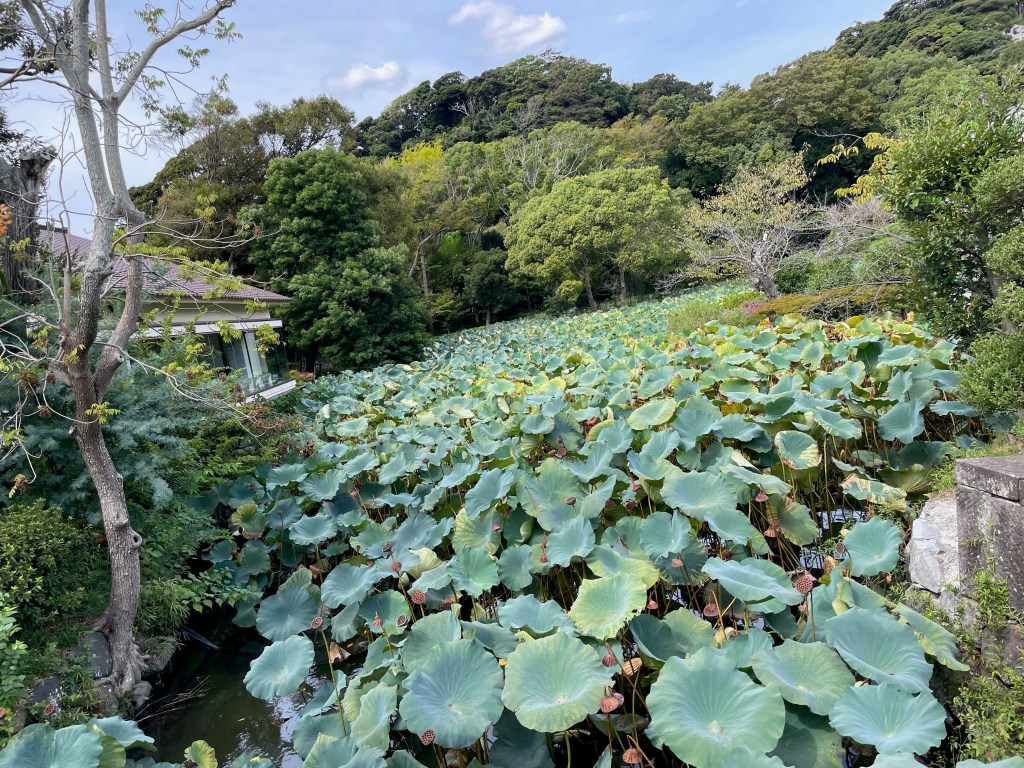
Lotus at Tsurugaoka Hachiman Shrine

Tsurugaoka Hachiman Shinto Shrine – Faye, Susan, Nancy, Doug, Ron, Diane, Deb, Andy

Sake barrels at the shrine
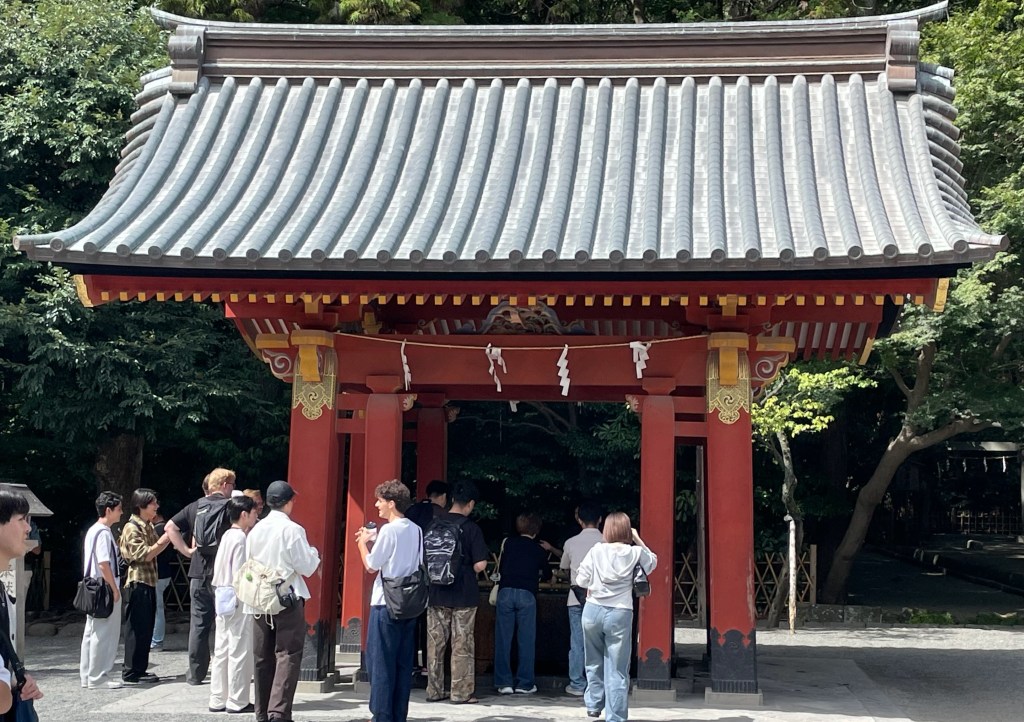
Cleansing station at the shrine
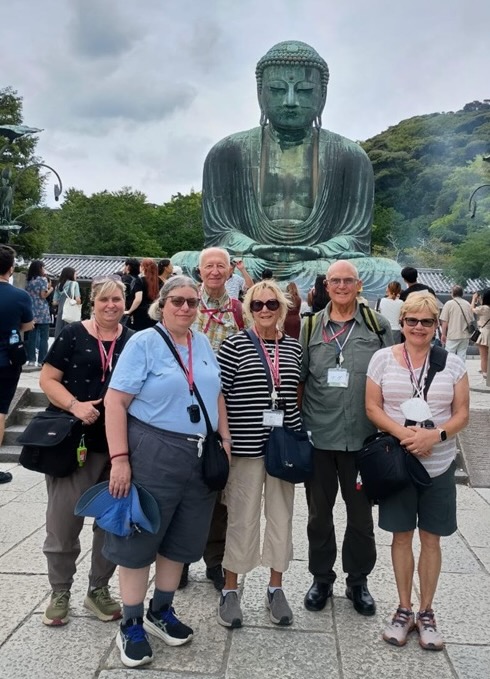
Kamakura Great Buddha – Oops! Where’s Faye?

Inside the Buddha


Hasedera Protection Statues
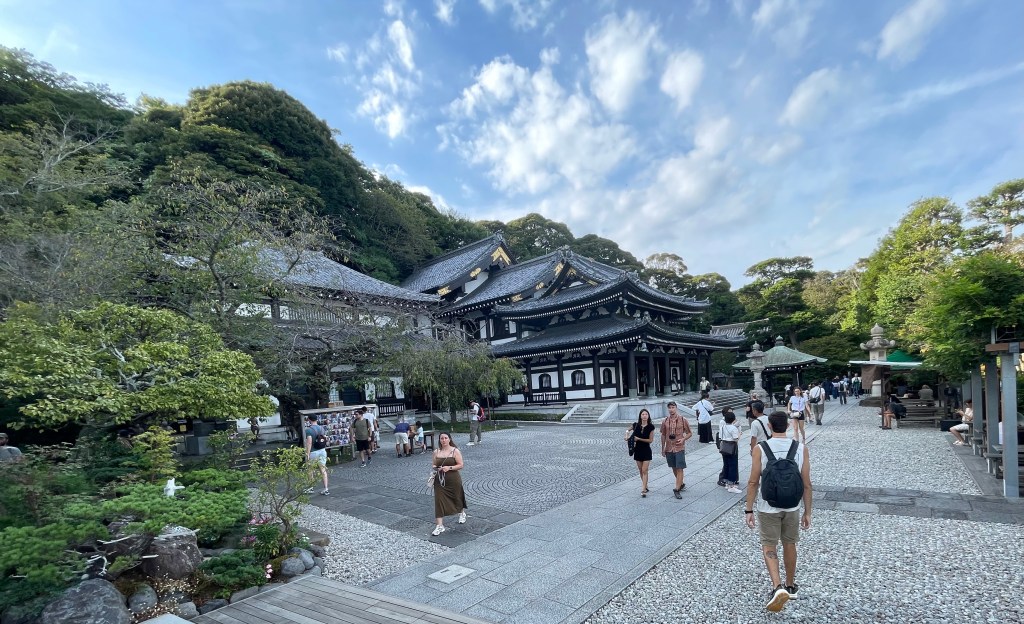
Hasedera Buddhist Temple

Hasedera Temple Garden

Hasedera Temple View
Lunch with retired sumo wrestlers, down more than a 100 pounds frfom their competition days
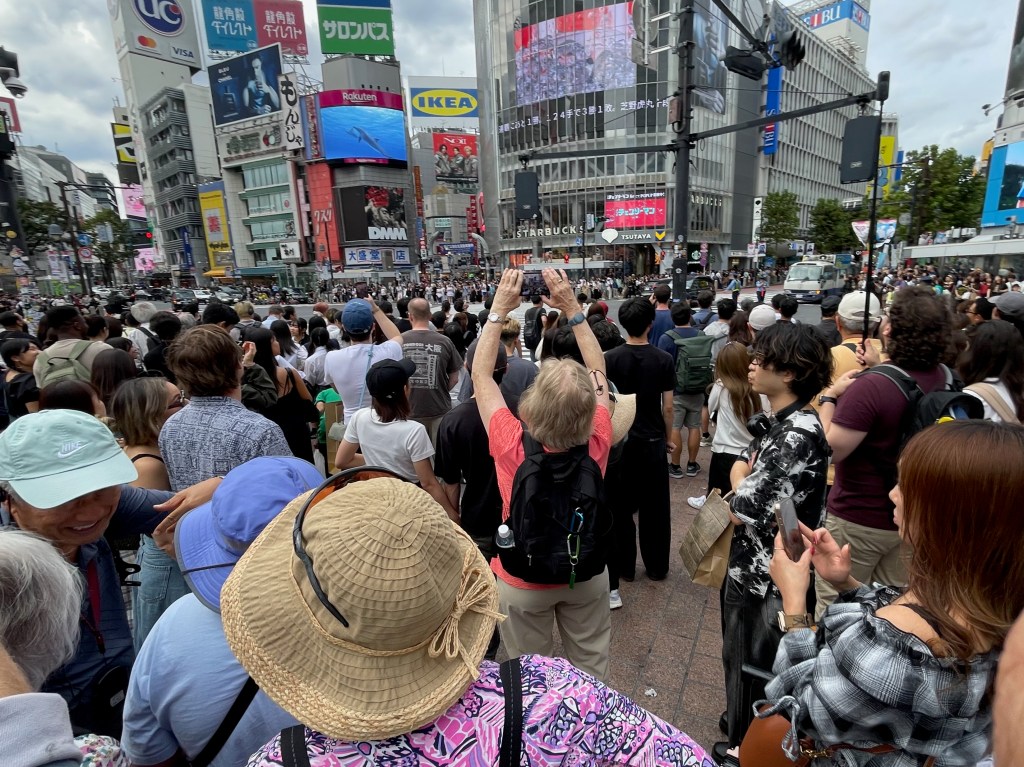
Shubuya Scramble – about 2 million people cross this intersection daily

Statue of Hachiko, a faithful akita who waited daily for his master at the train station.
Taiko drumming

Senso-ji buddhist temple
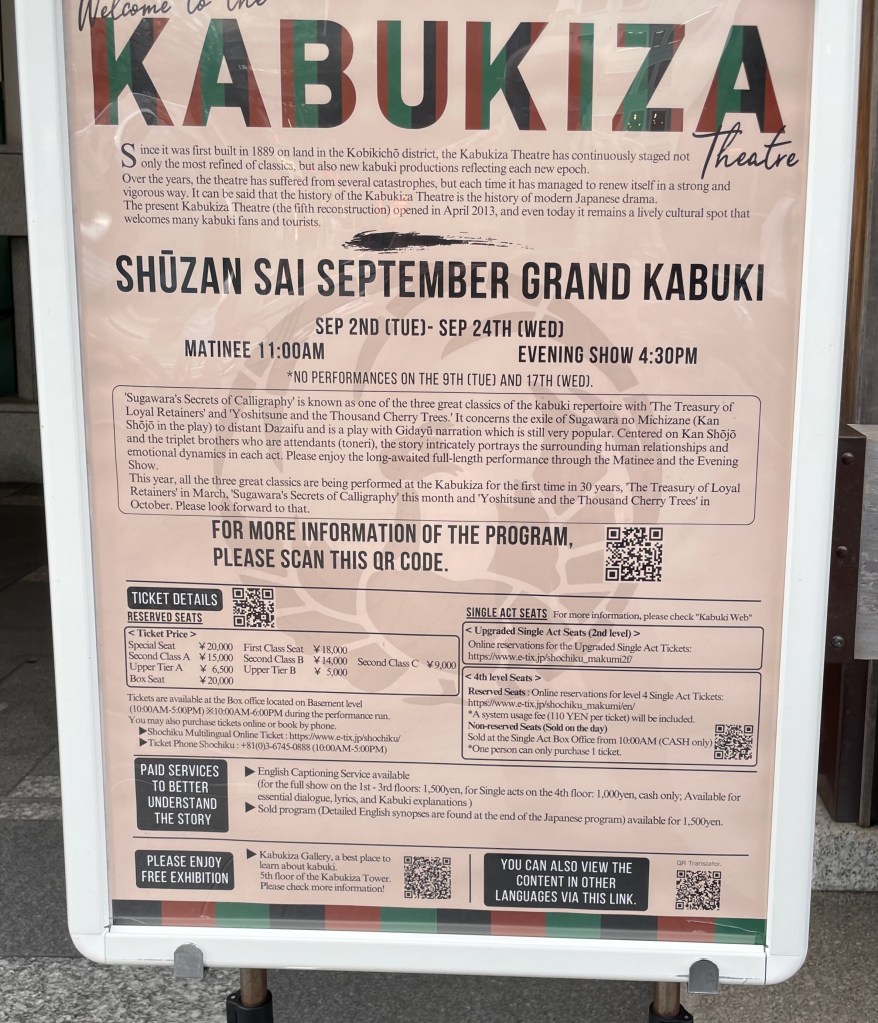
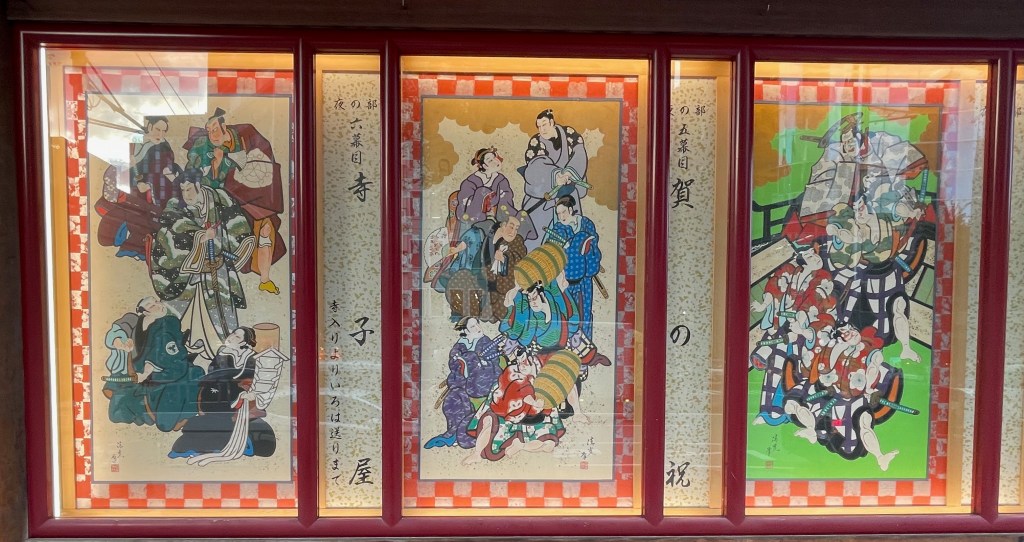
Visit to a kabuki theater – thanks to Susan for getting us tickets; we were only at one segment of a multi-part performance so our seats were not the best but it was great to experience a part of the traditional Japanese culture (no photos allowed inside).

Kaisei dry rice field
Harvesting by Diane

Watermill at Seto Community House

Seto garden

Inside the Seto house
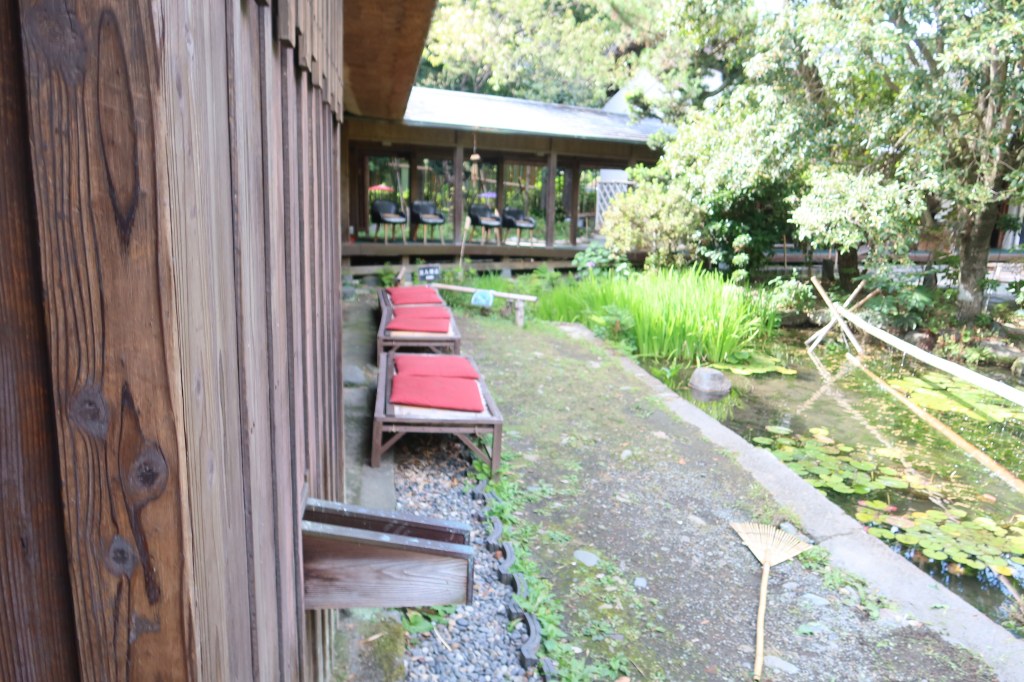
Back of Seto House

Dressed for dinner at Hakone
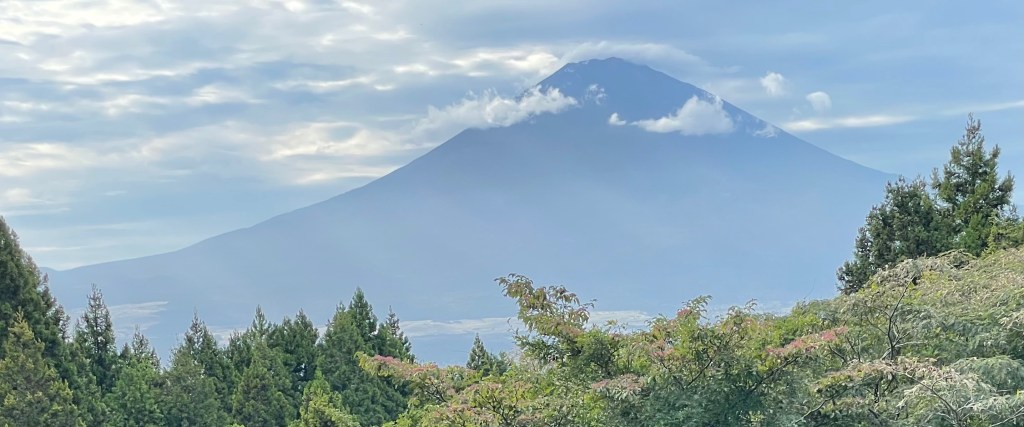
Mt Fuji from Hakone

A visit with geishas
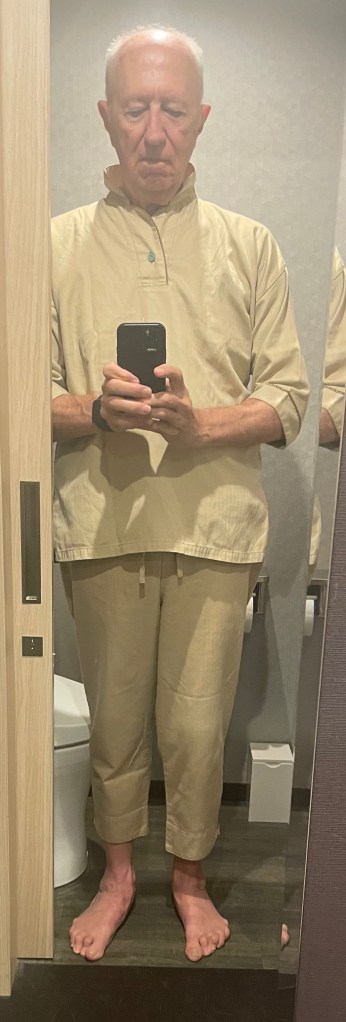
Typical Japanese hotel pajamas – these were provided at every hotel

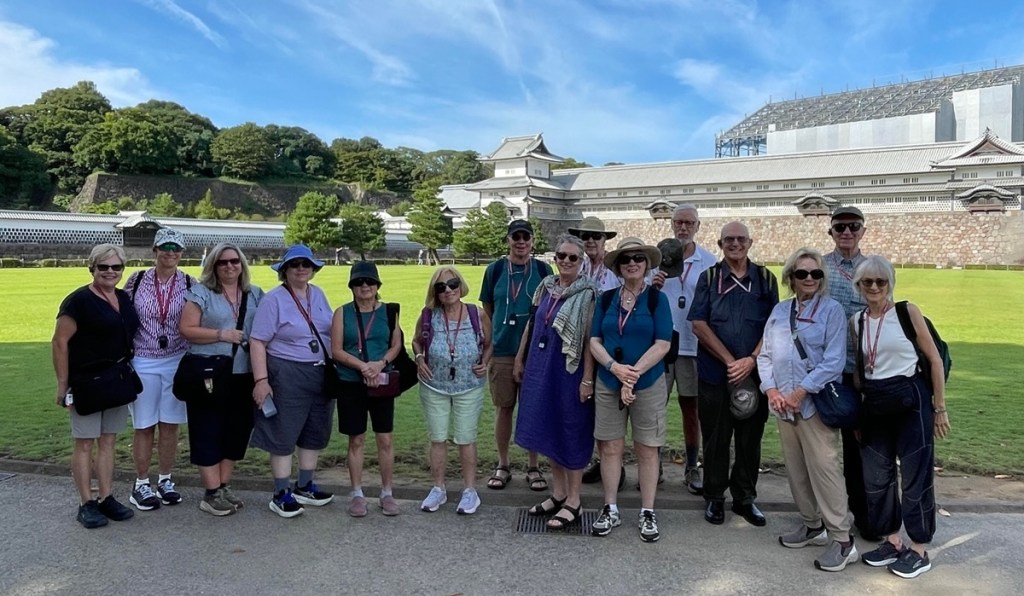
At Kanazawa Castle
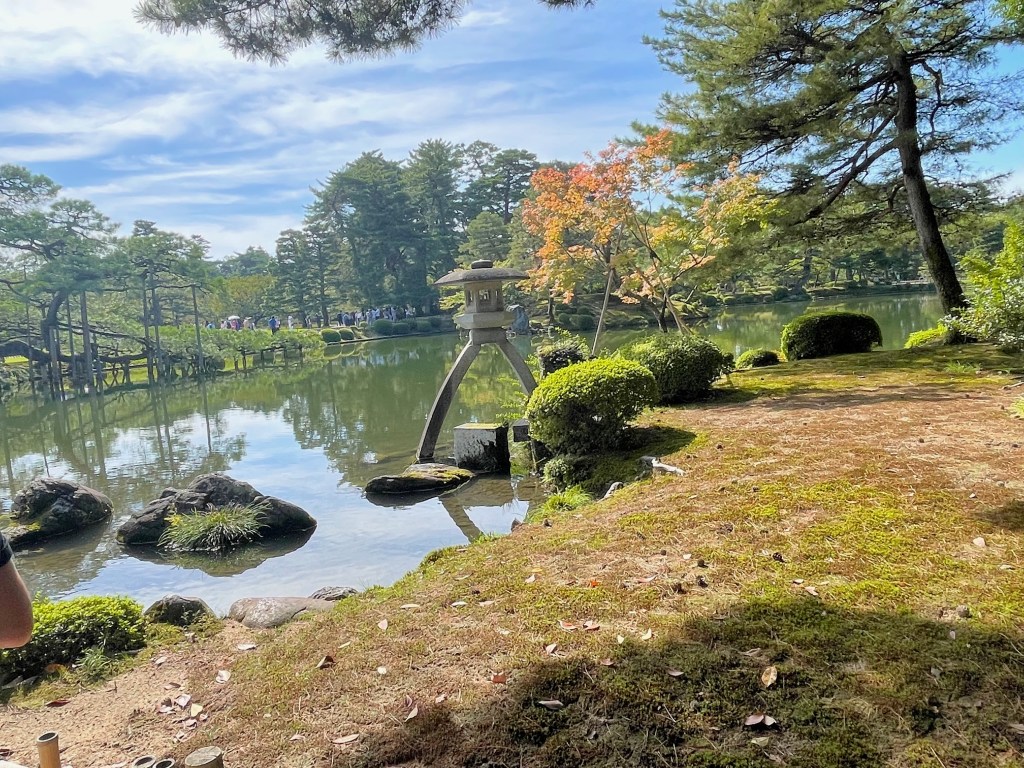
Kenrokuen Garden
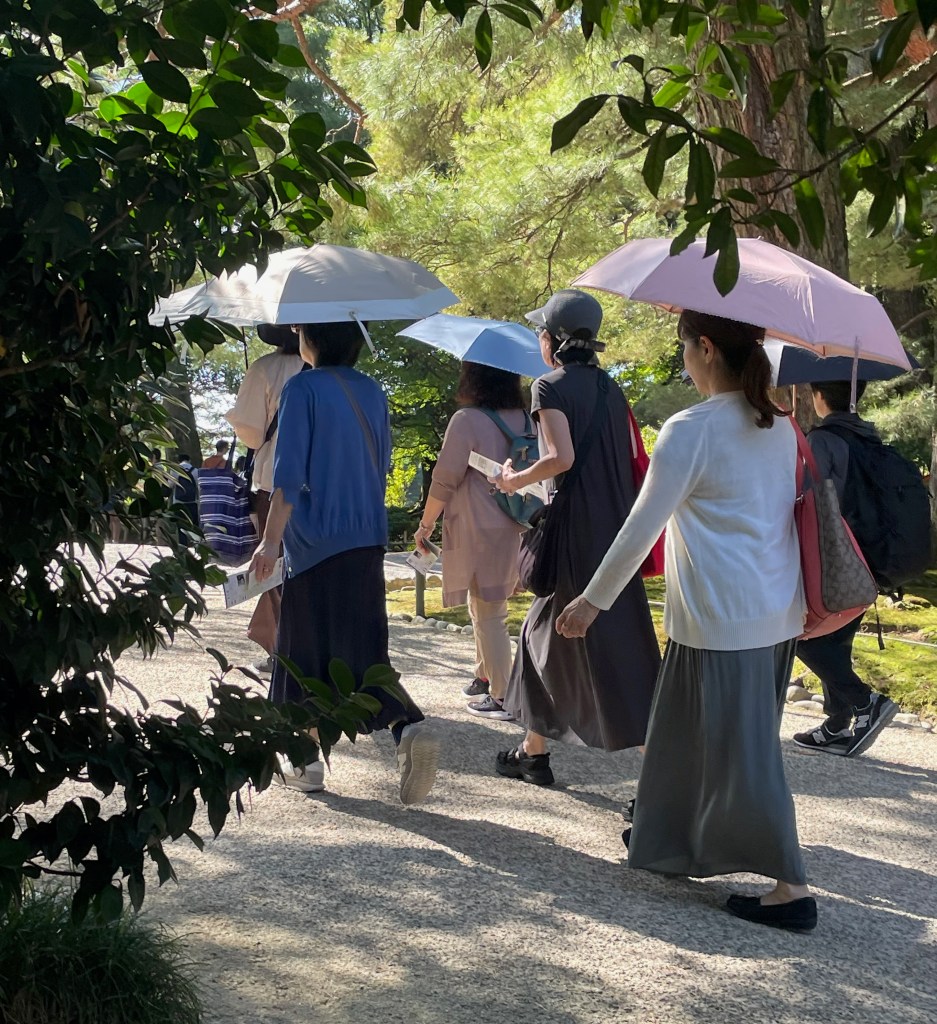
Parasols are in wide use by the Japanese
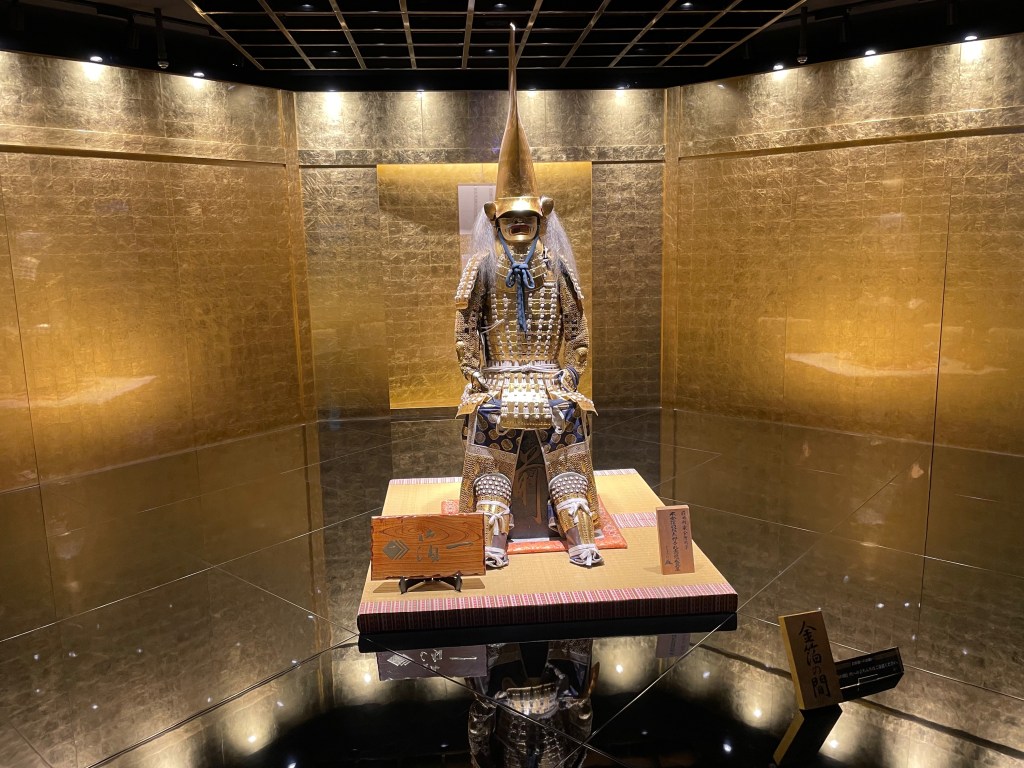
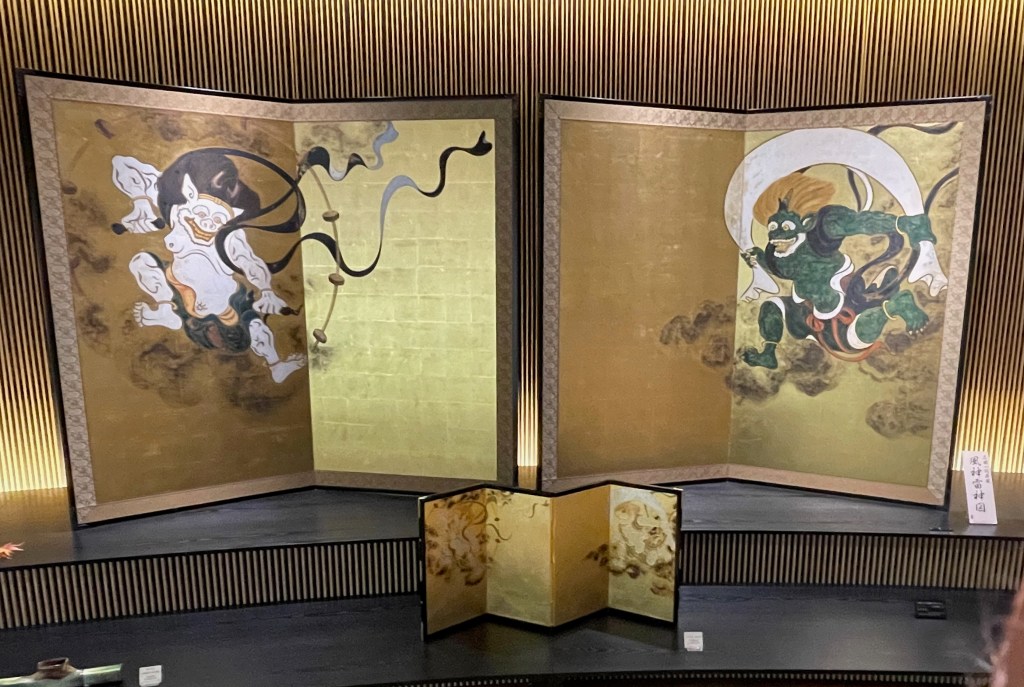
Ishikawa Prefectural Museum samurai and panels

At a wagyu beef dinner with Diane and Deb – my best steak in 40 years (my ONLY steak in 40 years!)
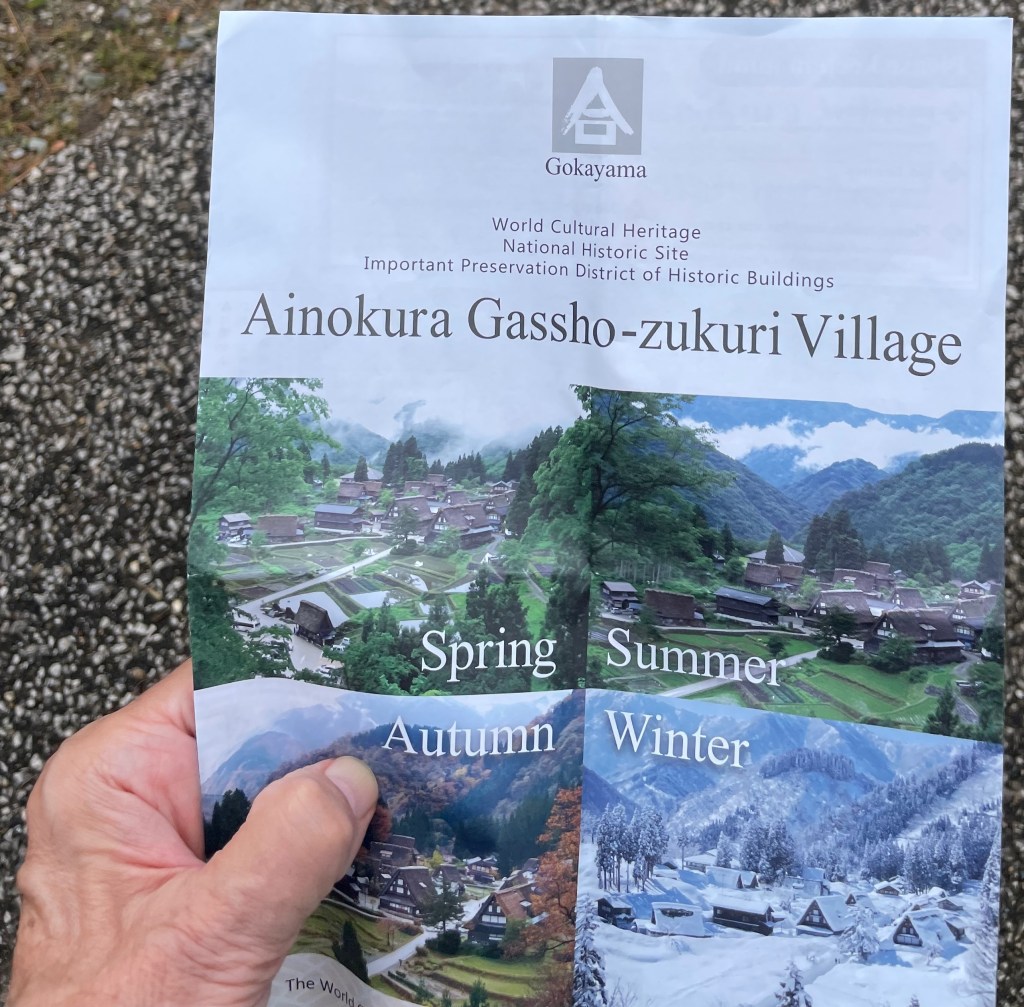

Visit to a restored/maintained traditional village
Traditional way of making Mochi – Yes! We all got to try our hand at pounding.
A traditional welcoming dance
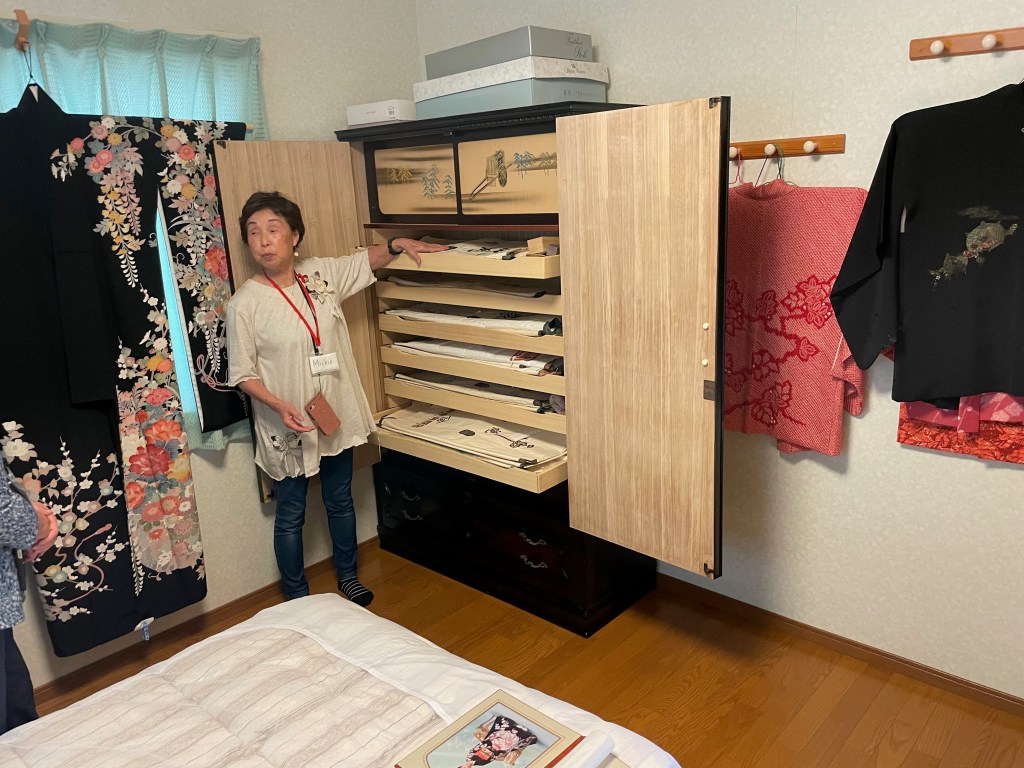
A home visit with Michie, a retired English teacher, here showing some of her kimonos and their storage.
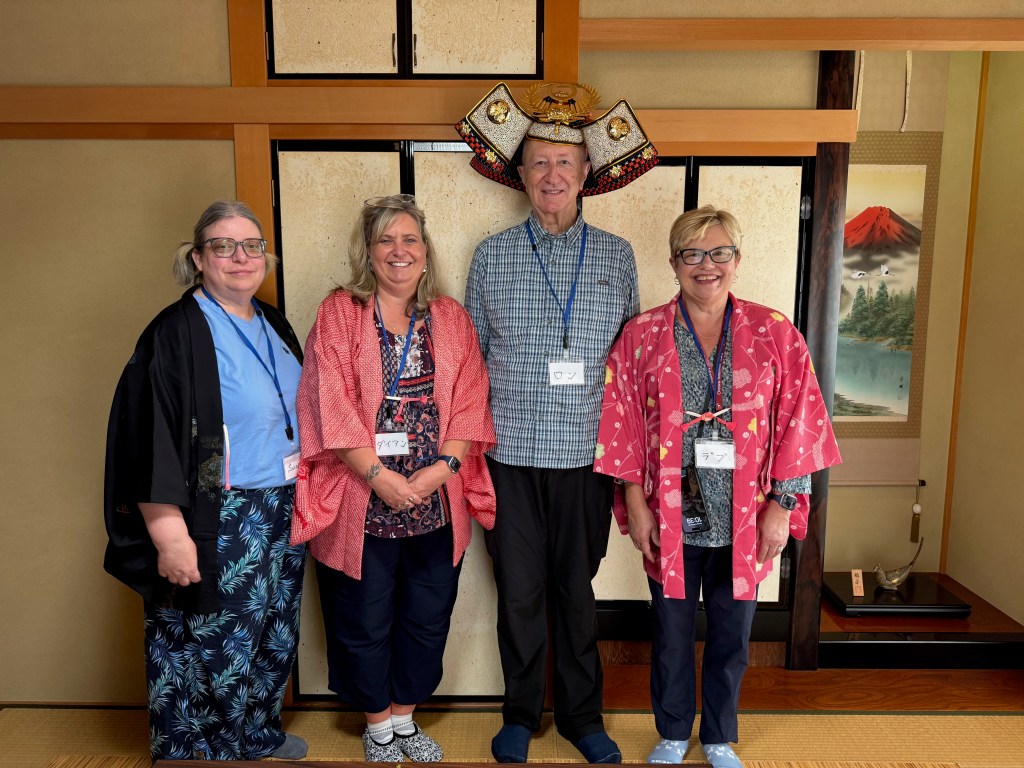
Michie dressed Susan, Diane and Deb in Japanese jackets and me in a ceremonial headdress that had belonged to her husband.
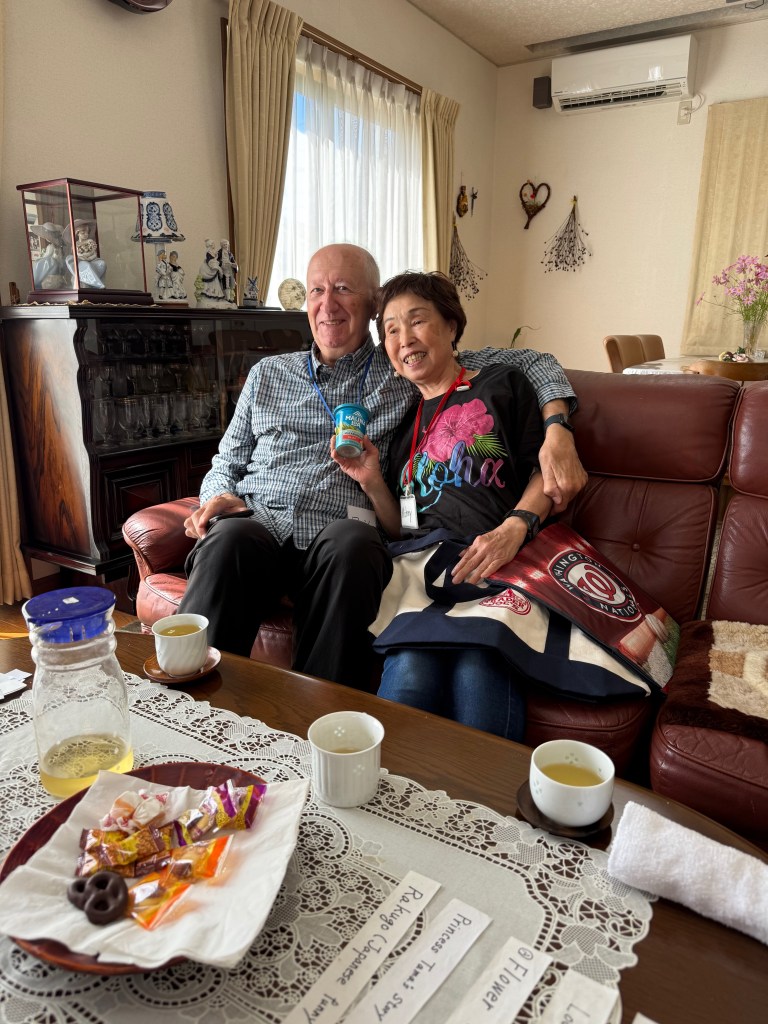
Michie enjoying my gift of an aloha tee shirt and macadamia nuts


Arashiyama Bamboo Grove at Tenryu-ji Temple
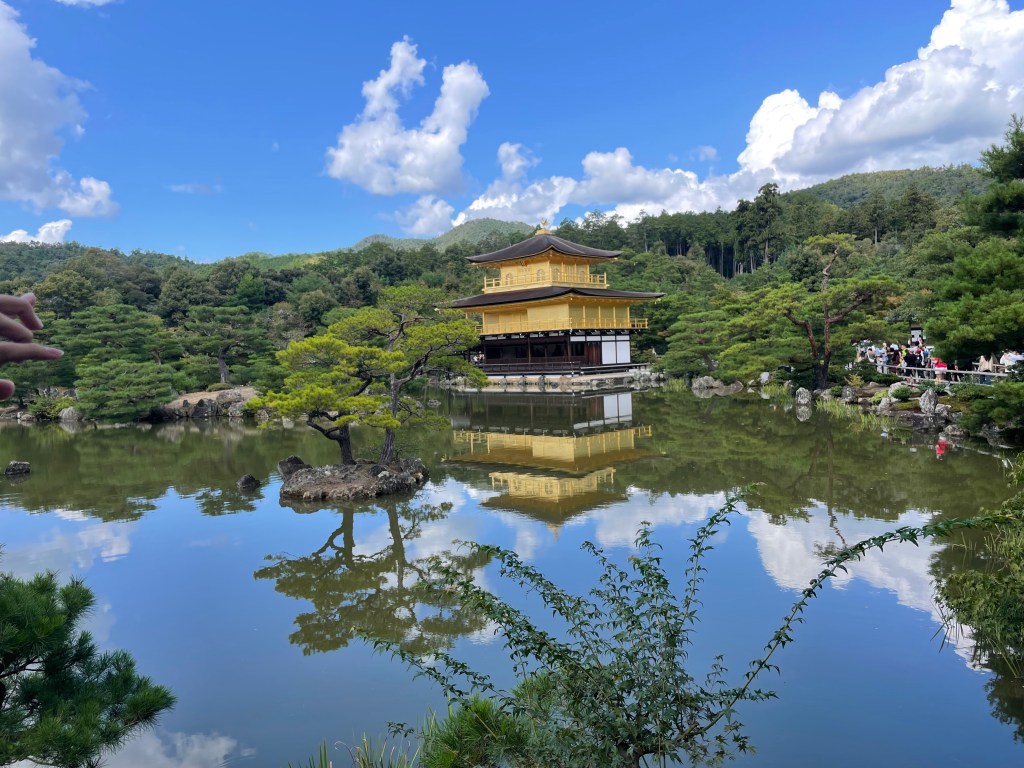
Kinkakuji Temple

Nijo Castle
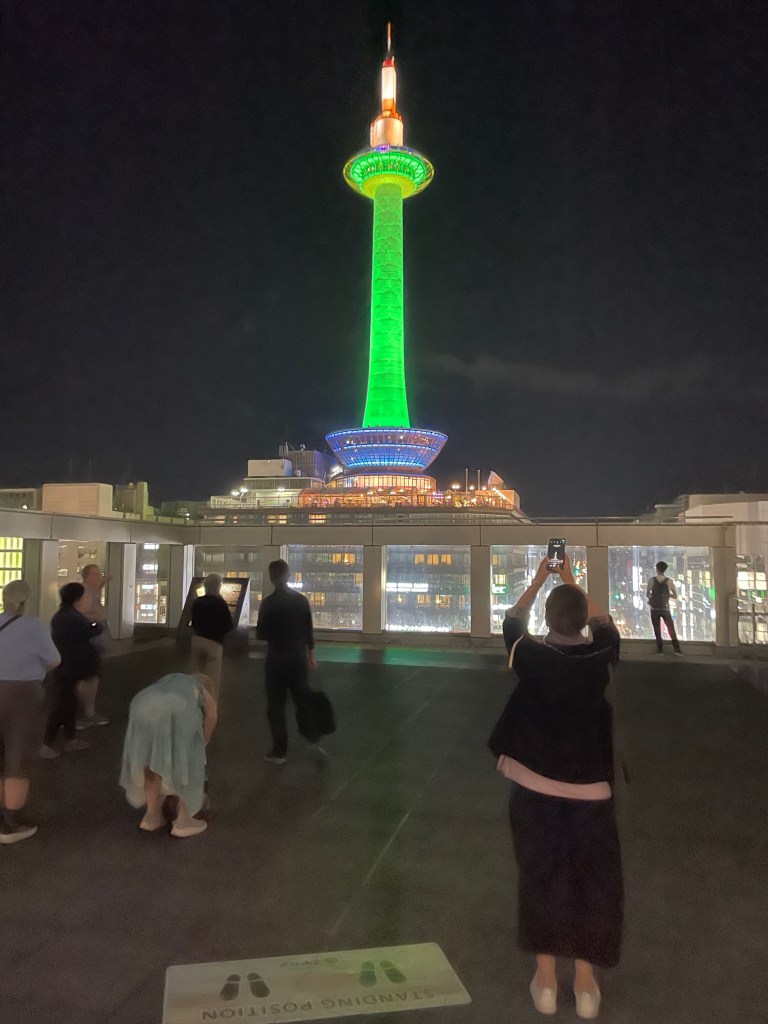
Nidec Kyoto Tower
Kyoto Station Light Show
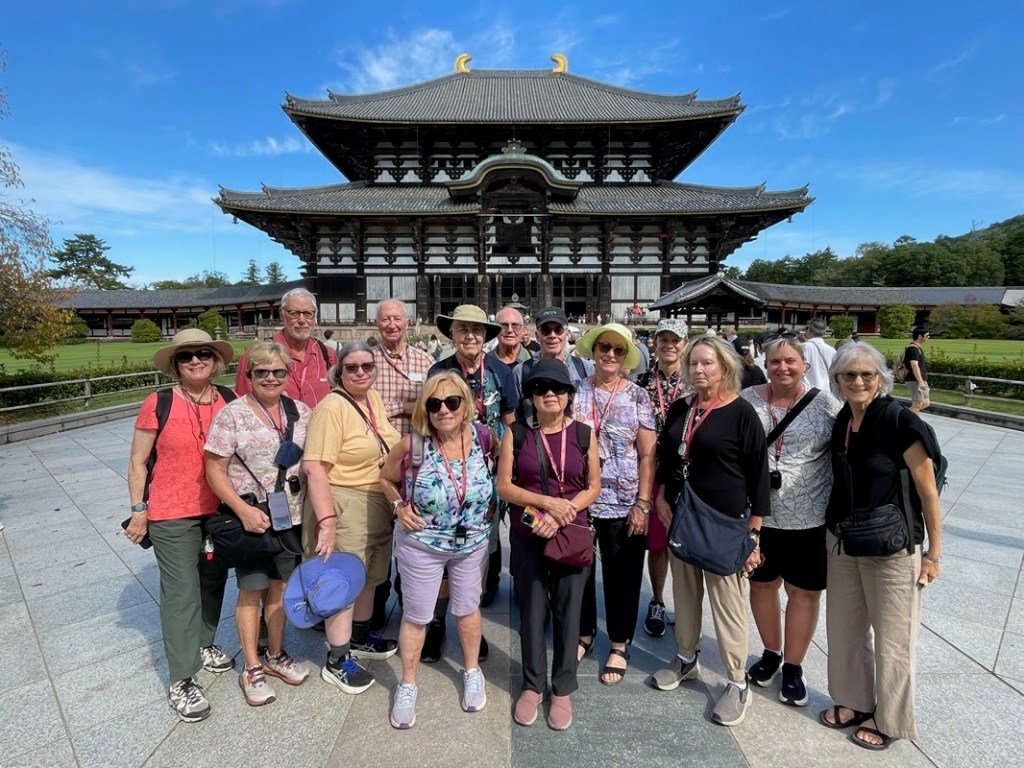
Todai-ji Buddhist Temple, Nara
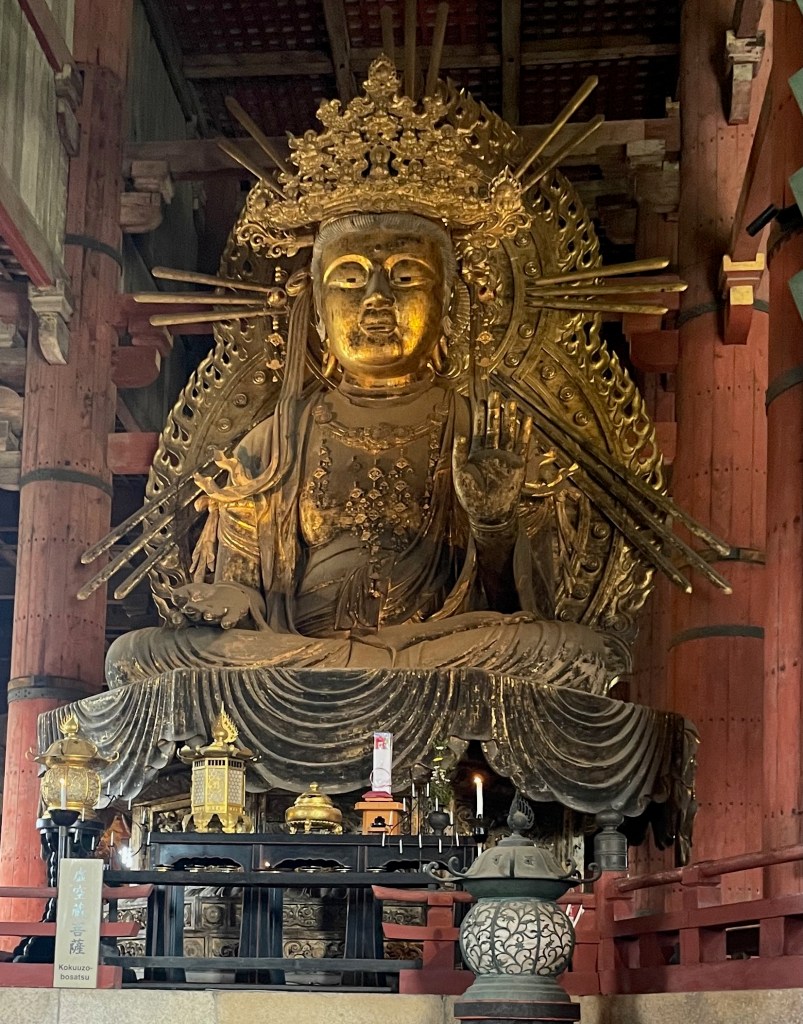

Inside the Temple
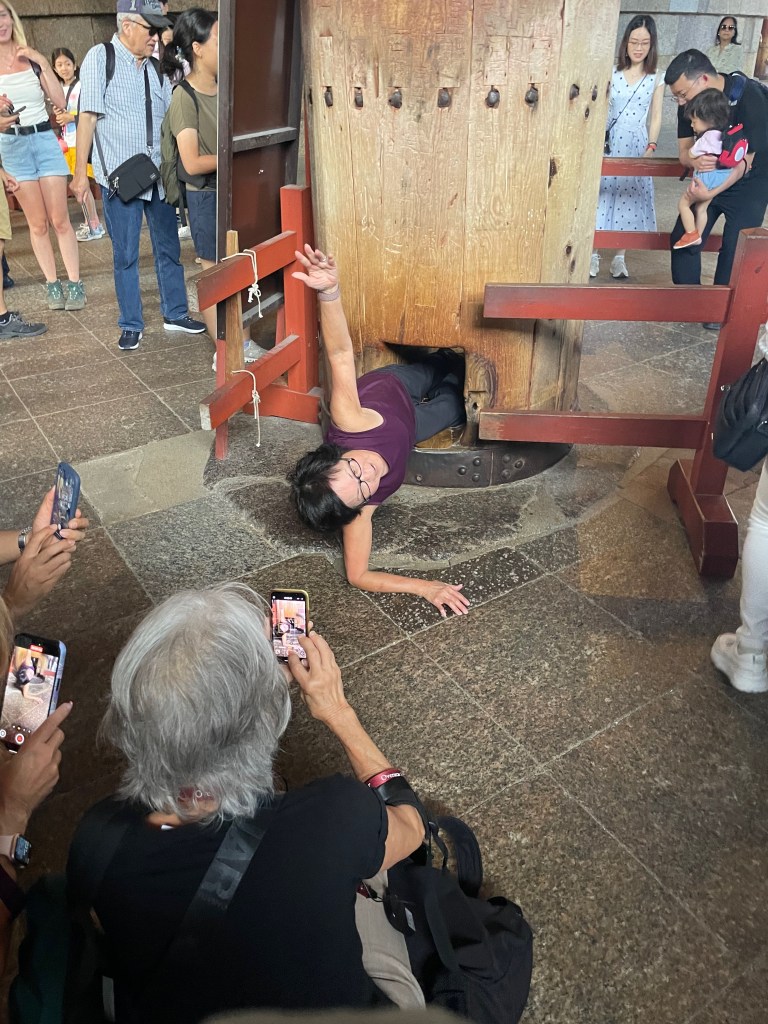
Faye gets blessed for enlightenment in her next life
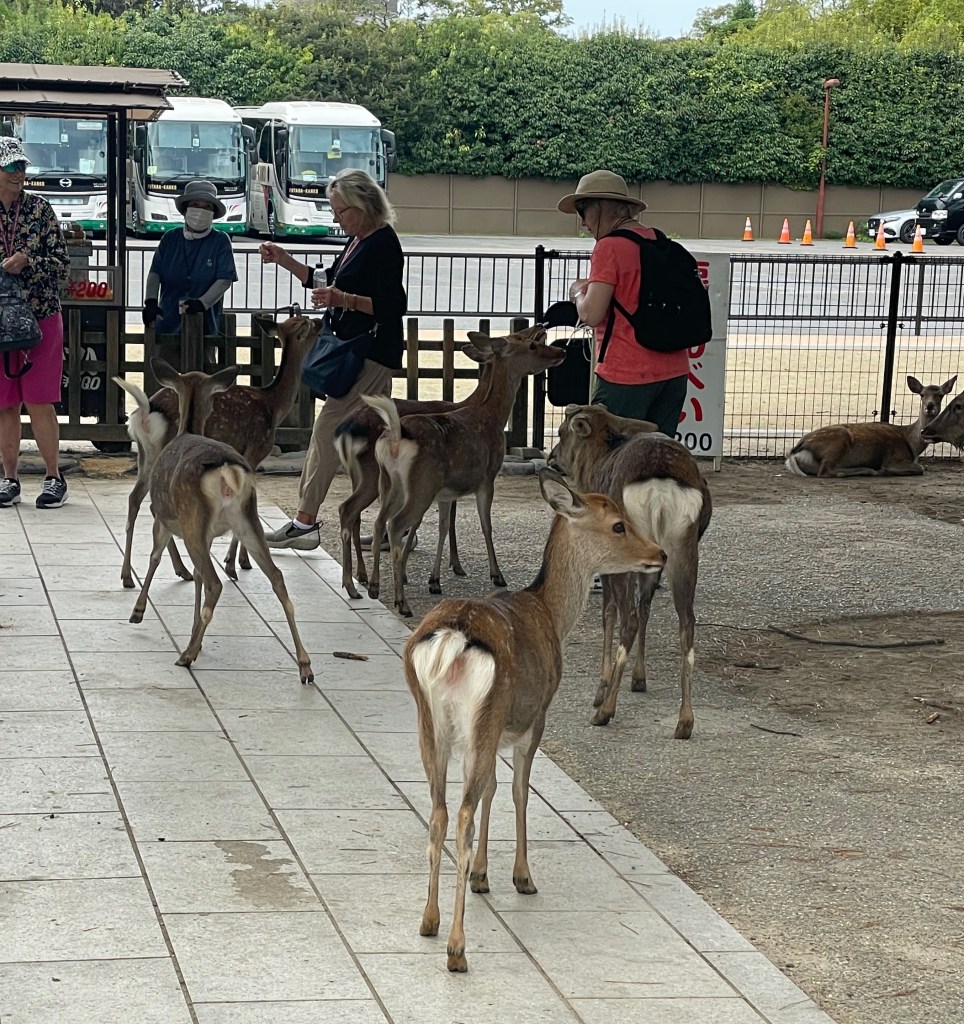
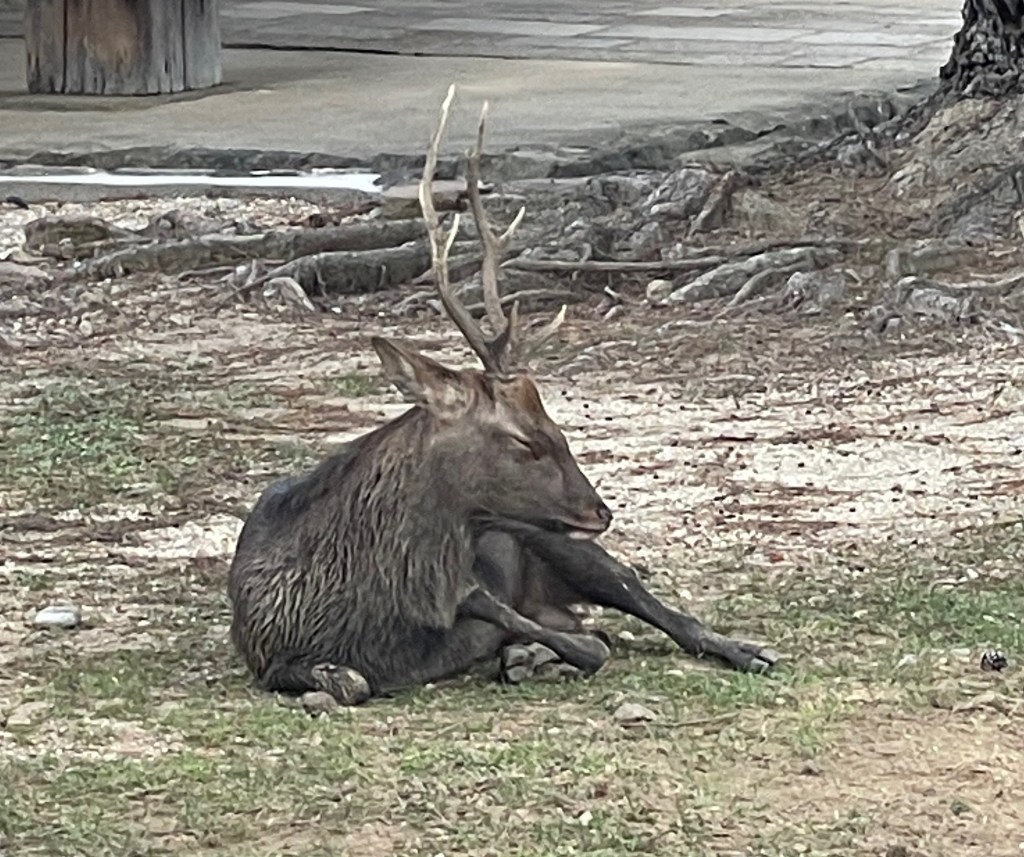
Deer at Nara Park
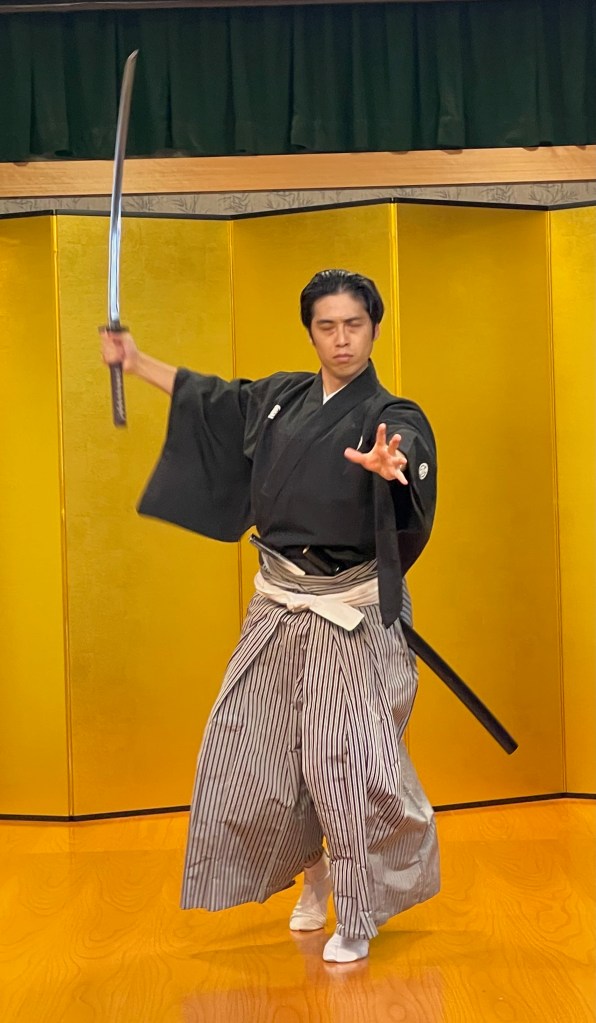
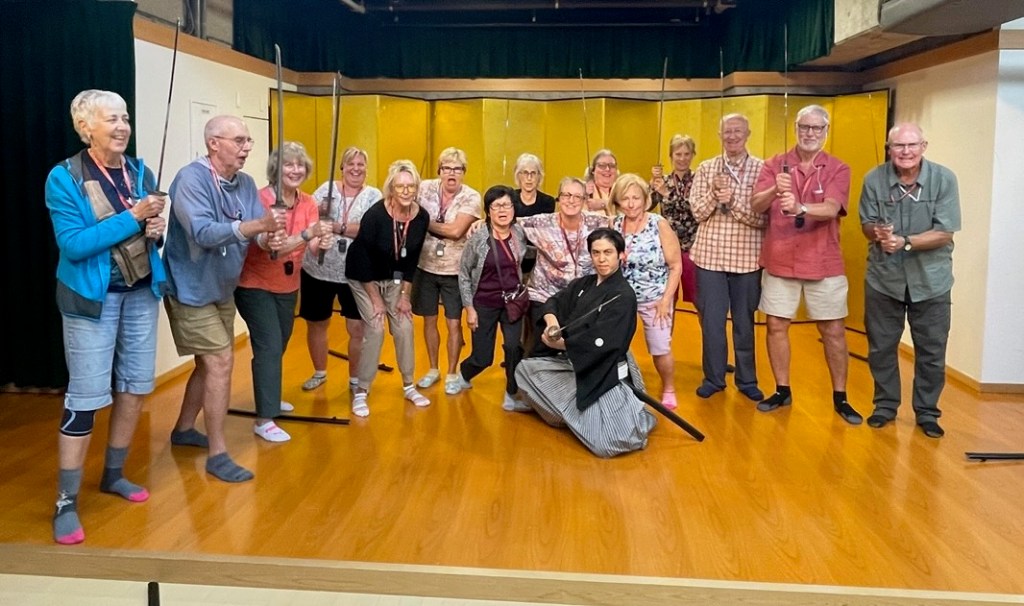
Samurai Sword Kenbu
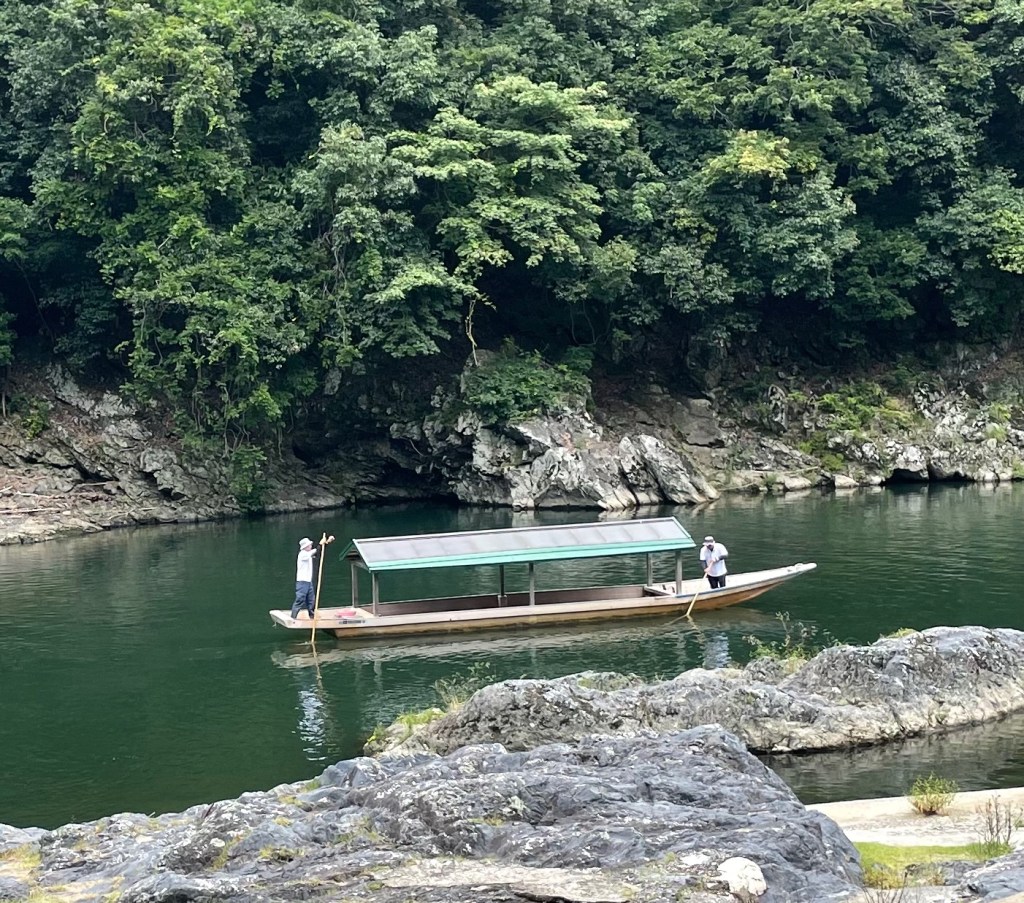
Kyoto boat
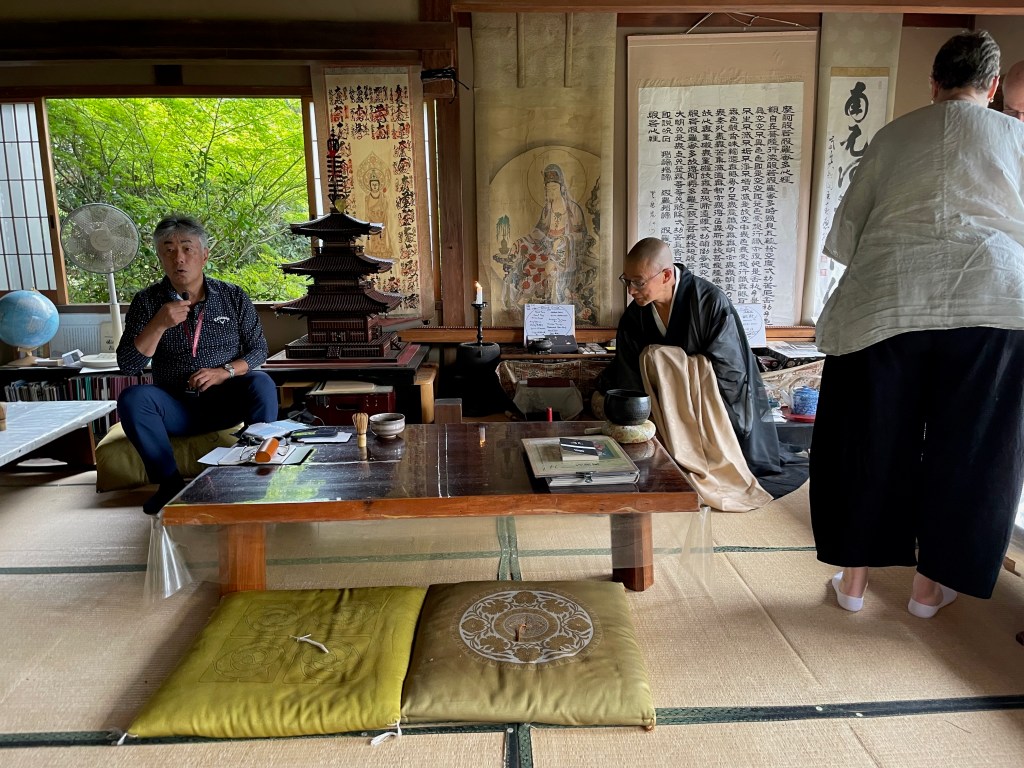
Daihikaku Buddhist monastery for a meditation experience

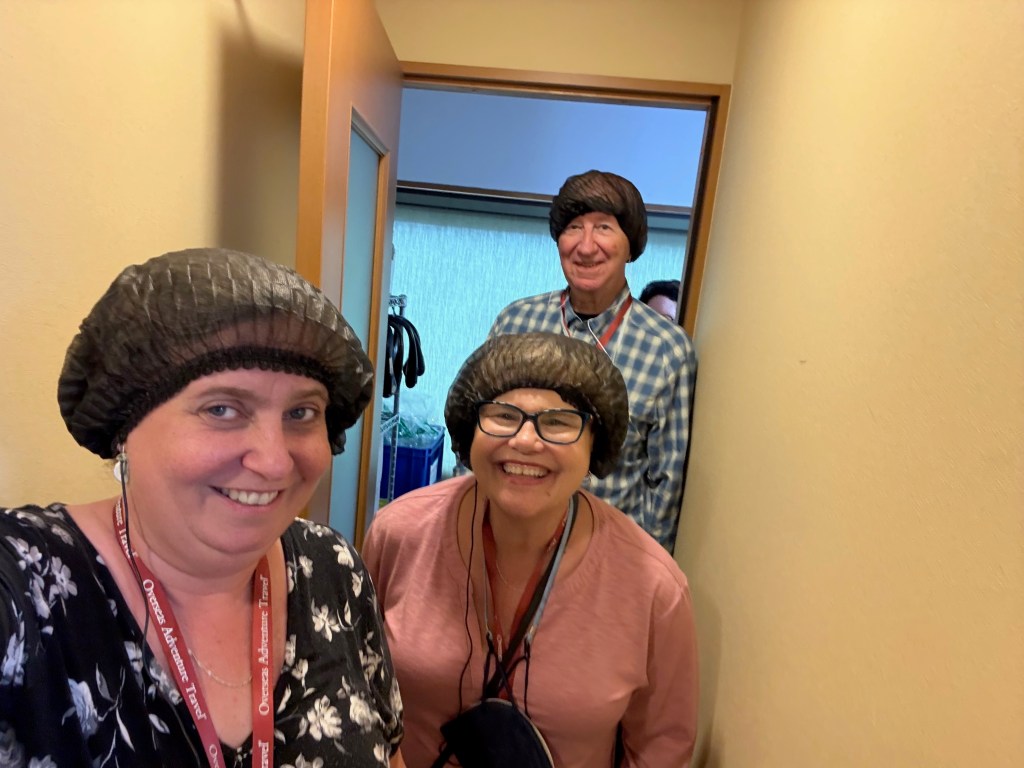
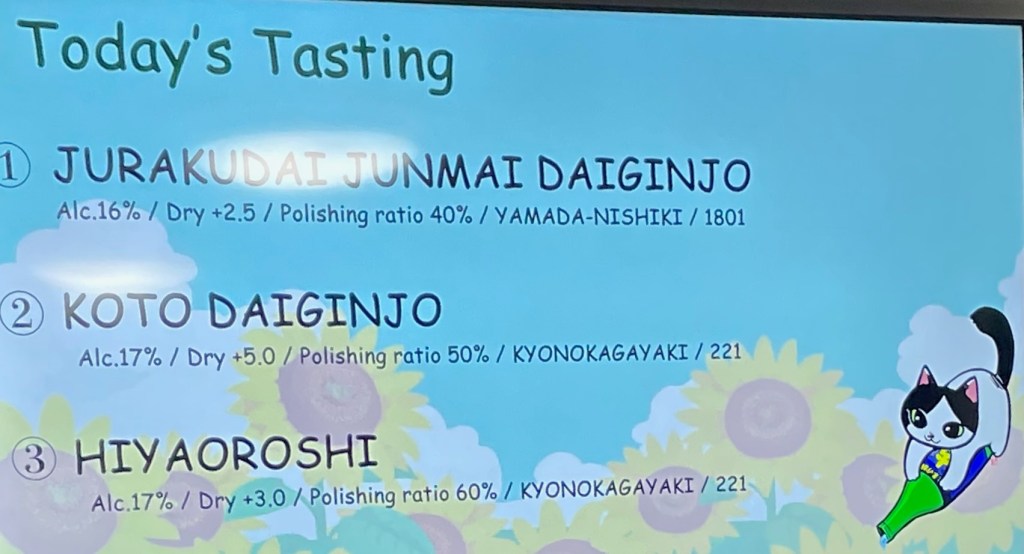
At a sake producer
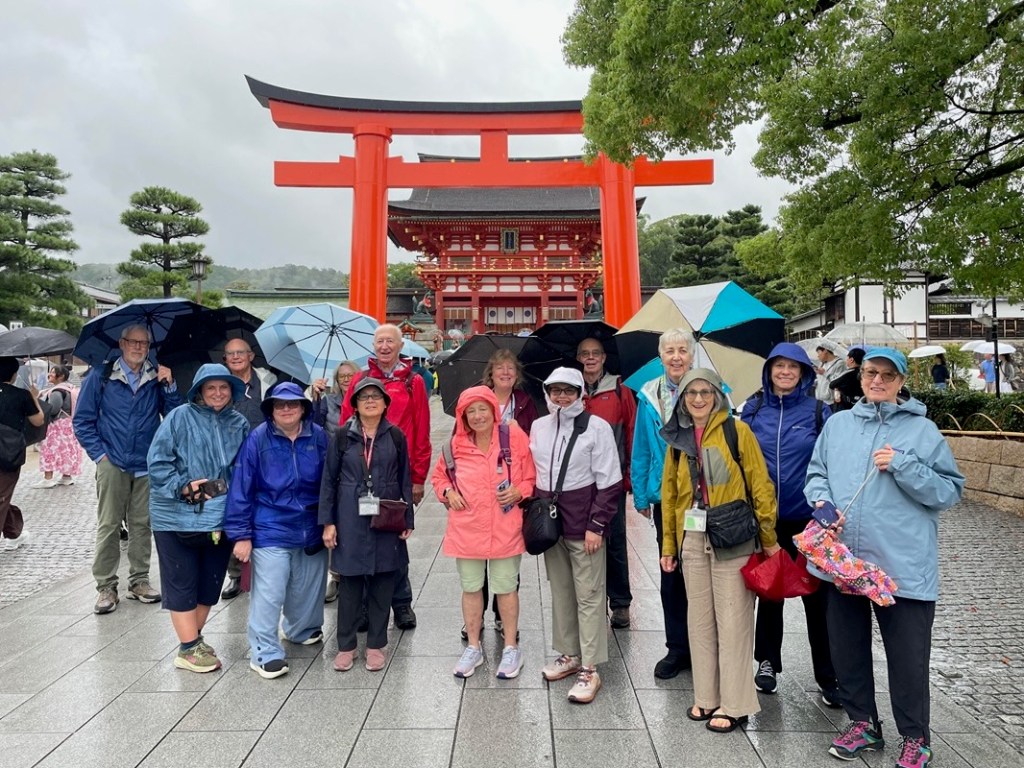
Fushimi Inari shrine – yes, it did rain this day!

Inside the gates at Fushimi Inari shrine
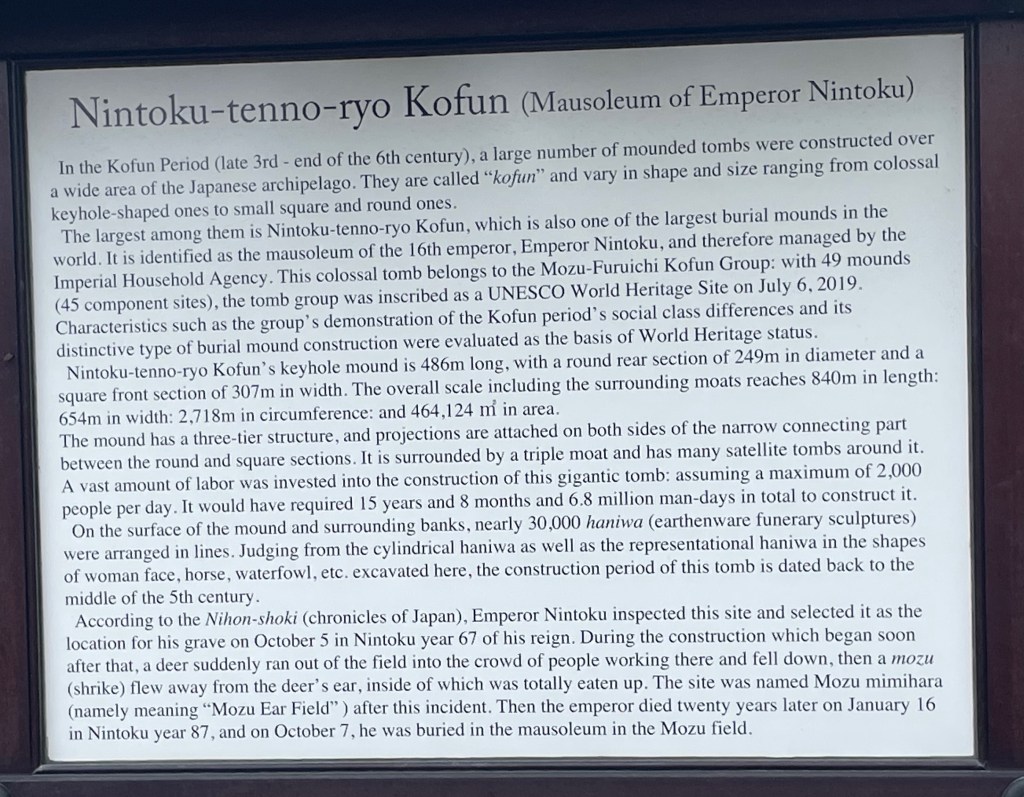
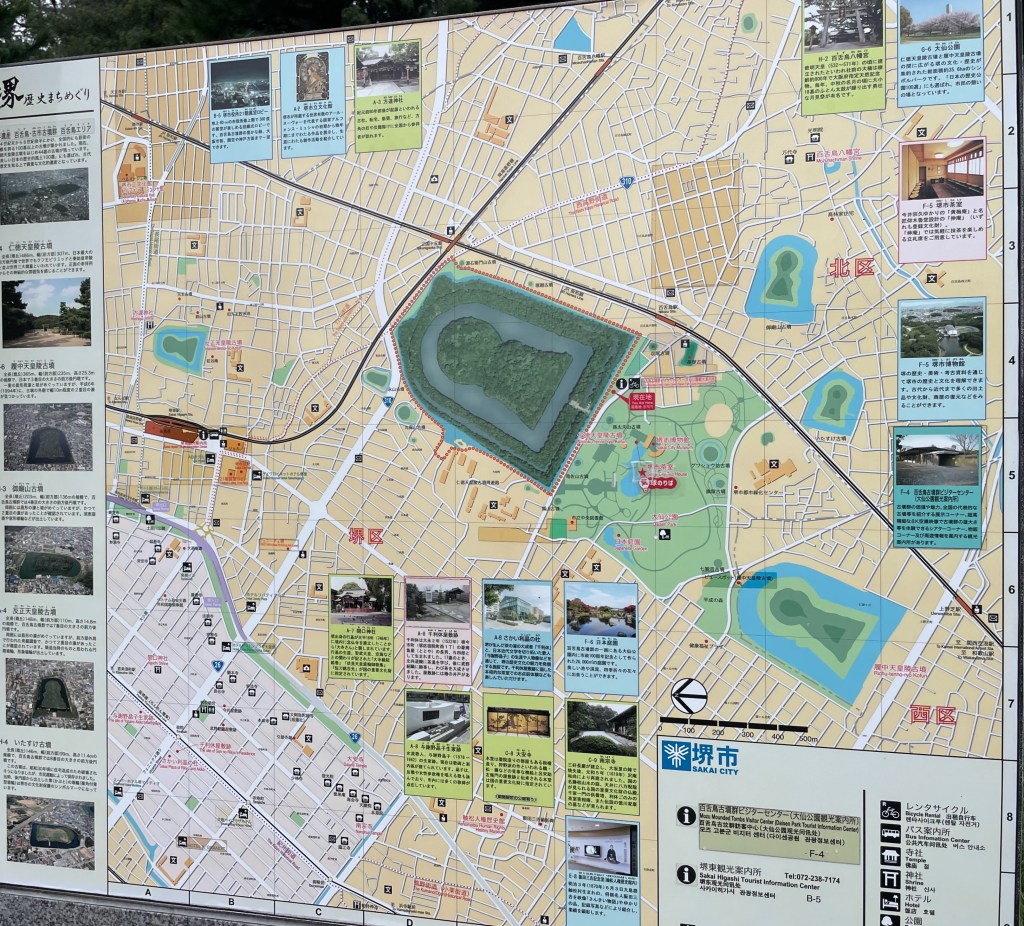
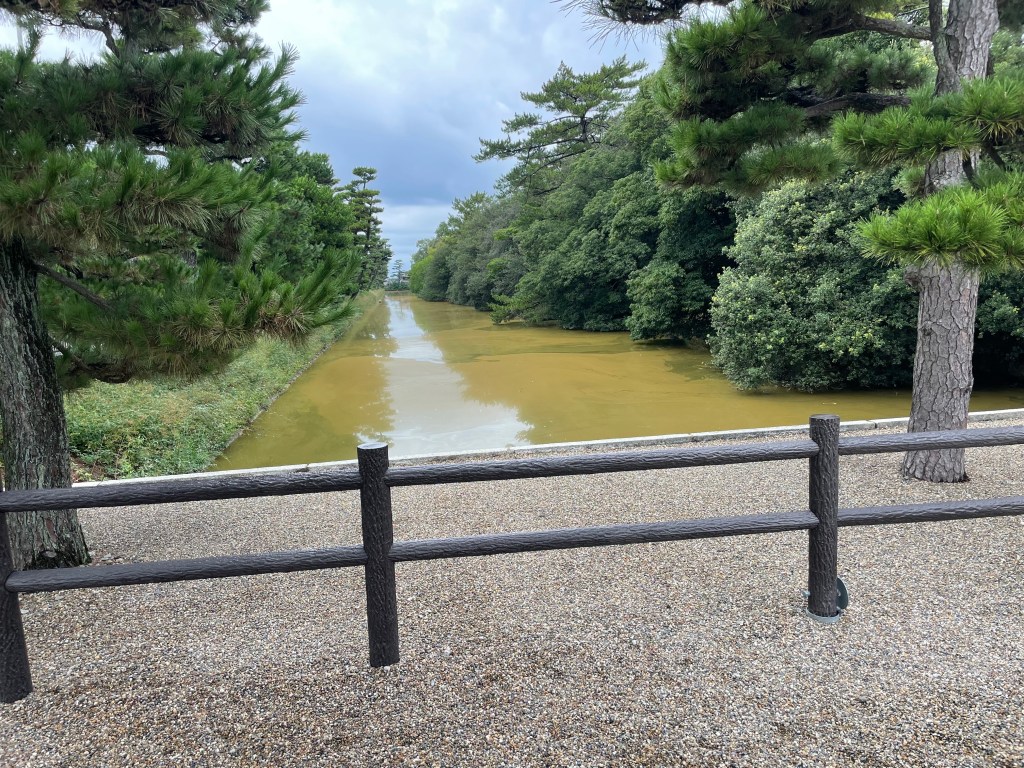
A visit to kofuns
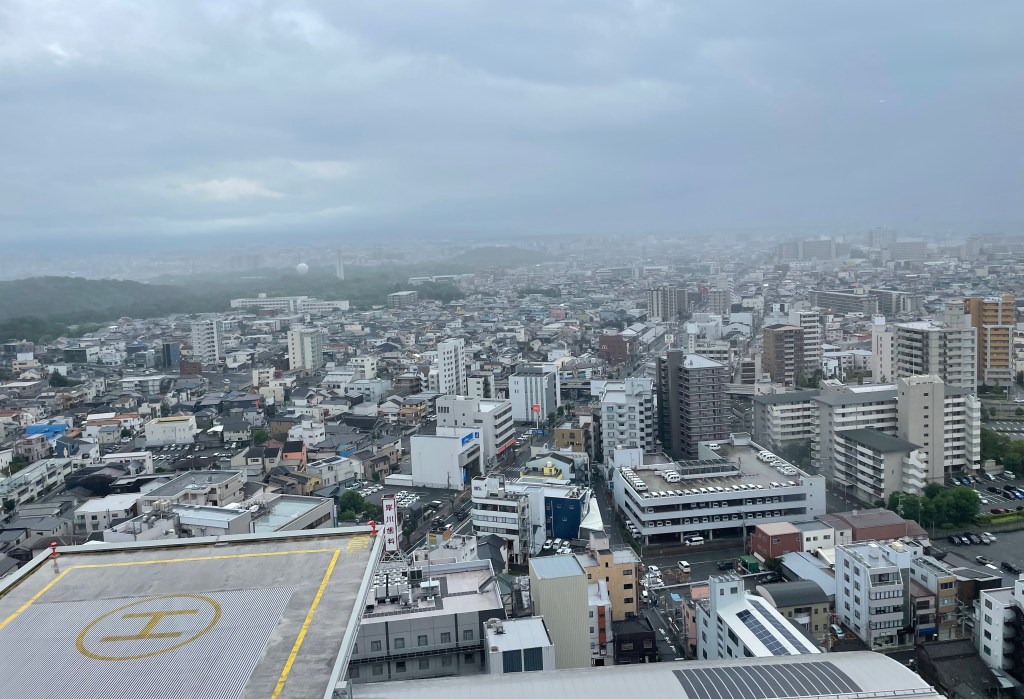
View from Osaka Sakai City Hall
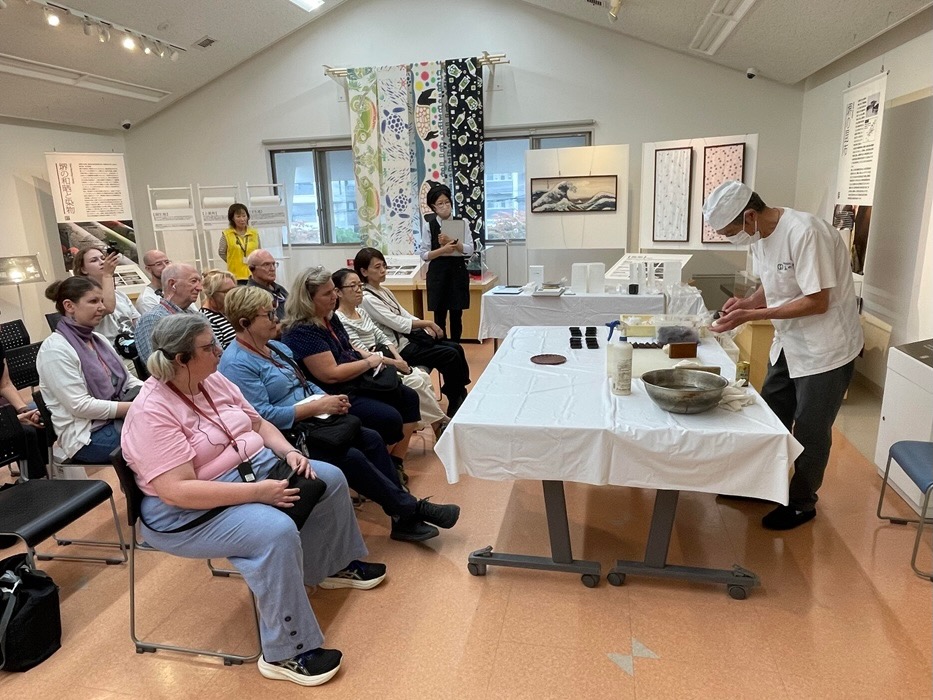
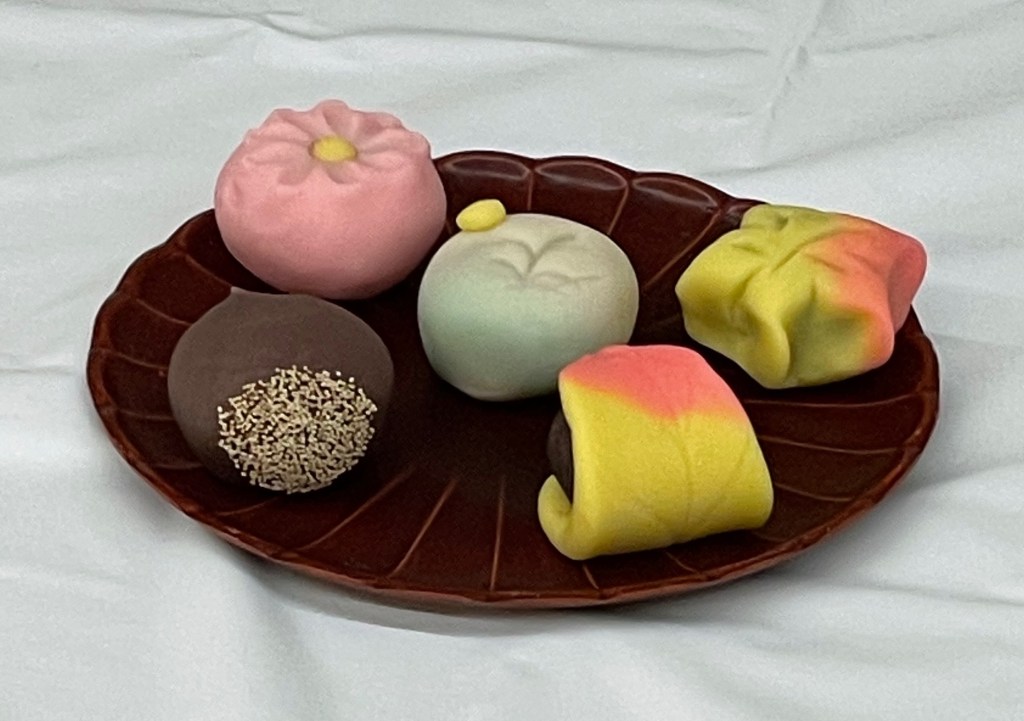
Wagashi sweets from a master pastry chef

Evening in Osaka

Awaji Island
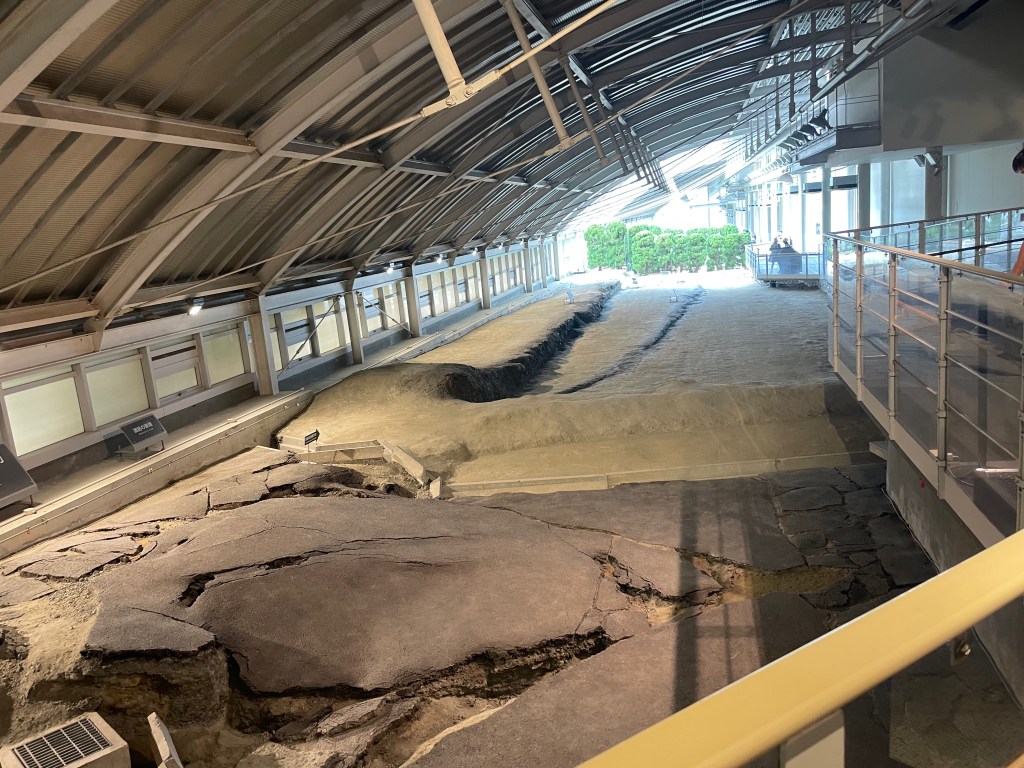

Museum of 1995 earthquake
Experiencing the earthquake – the VR goggles show belongings in a room being tossed about by the quake.

Sennenichi Sake Brewery
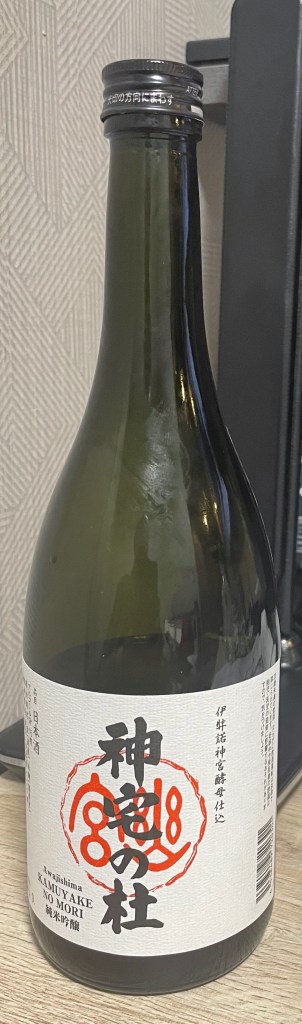
Their Product
Views in Osaka Castle Park
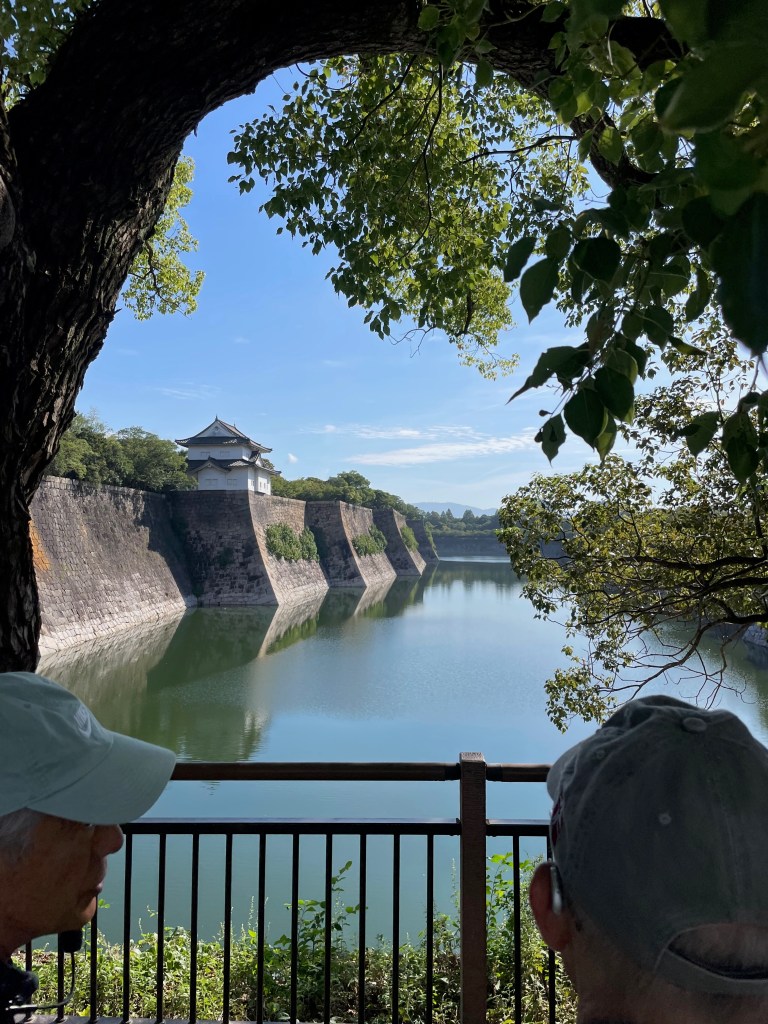
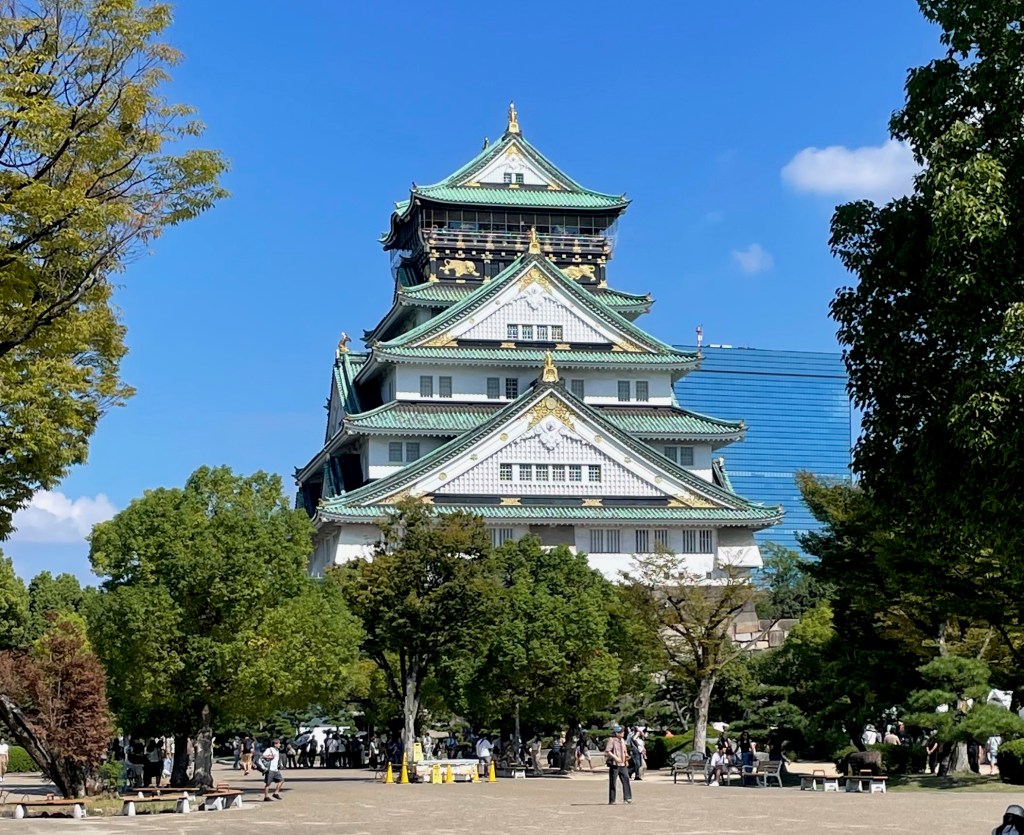
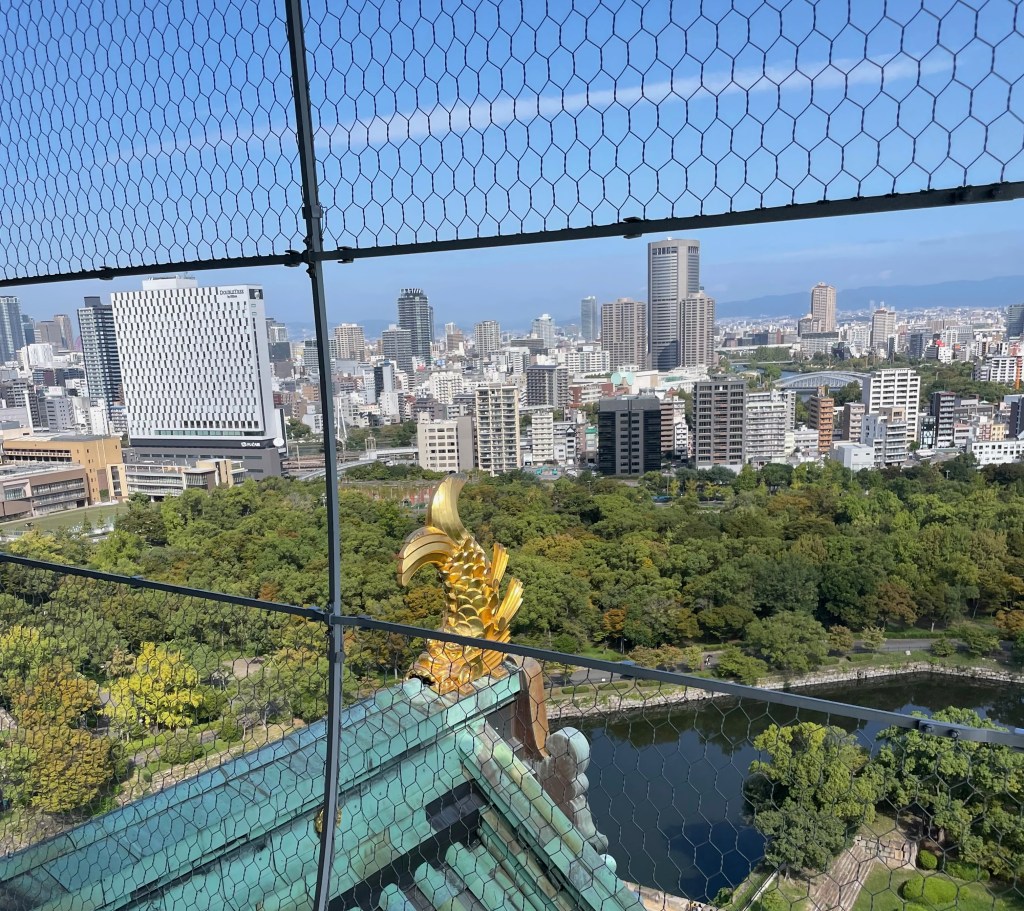

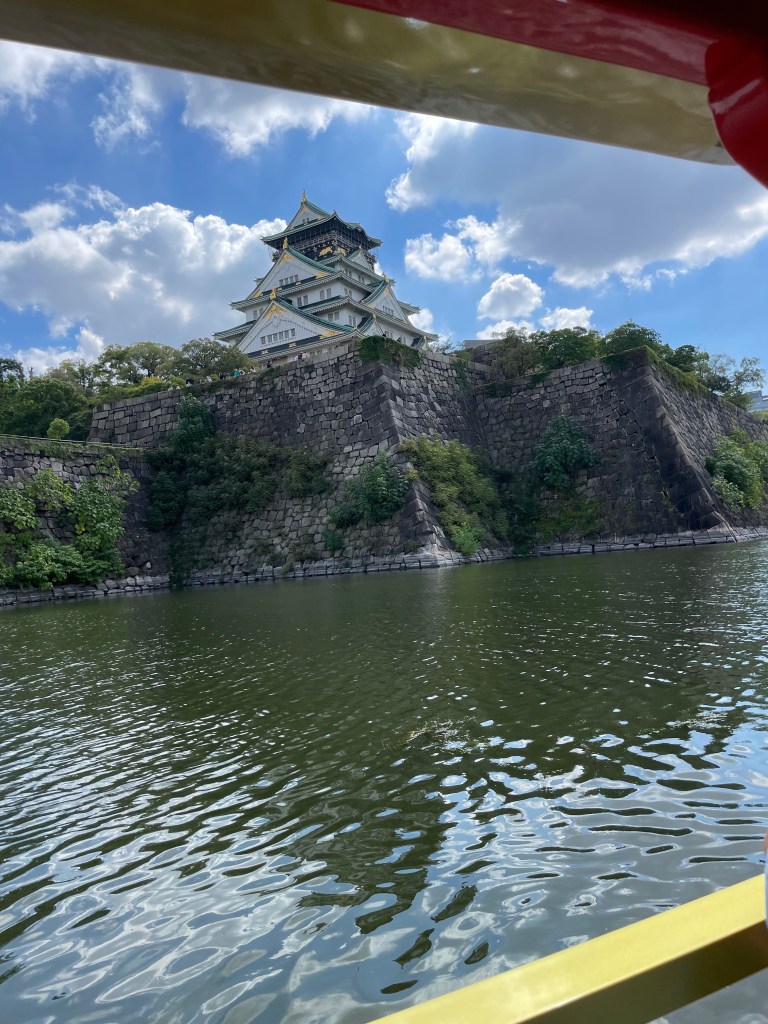
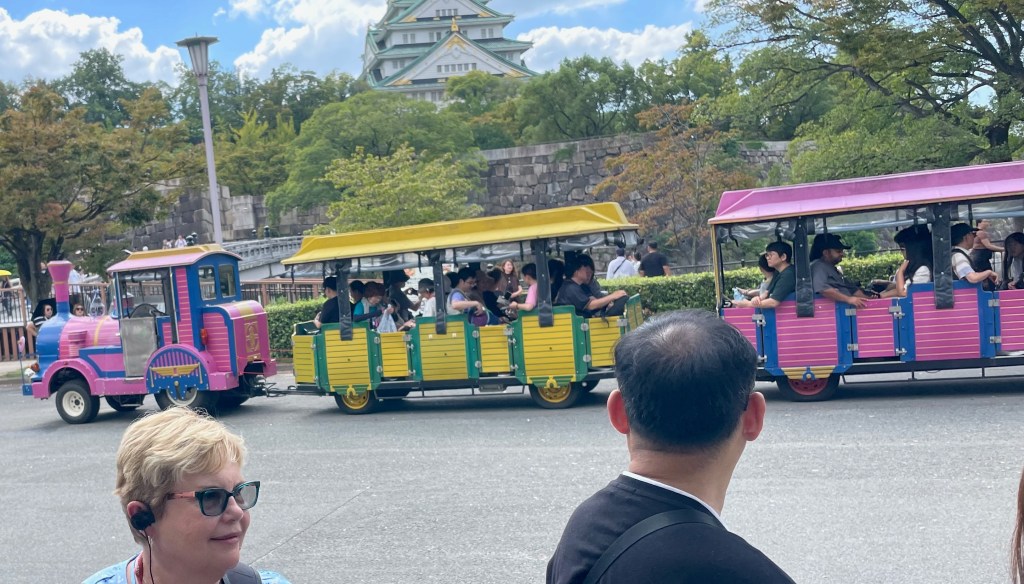
Castle Park Transport
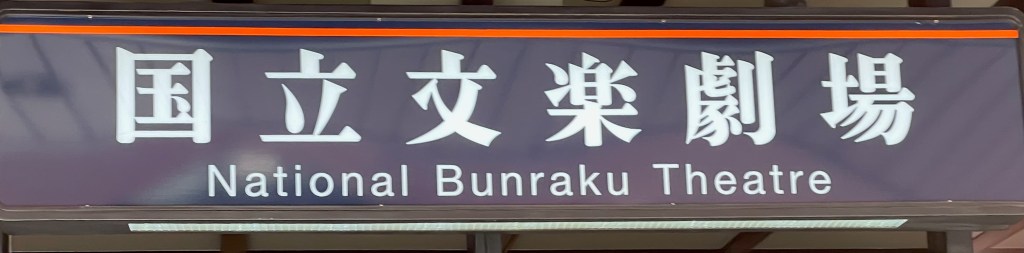
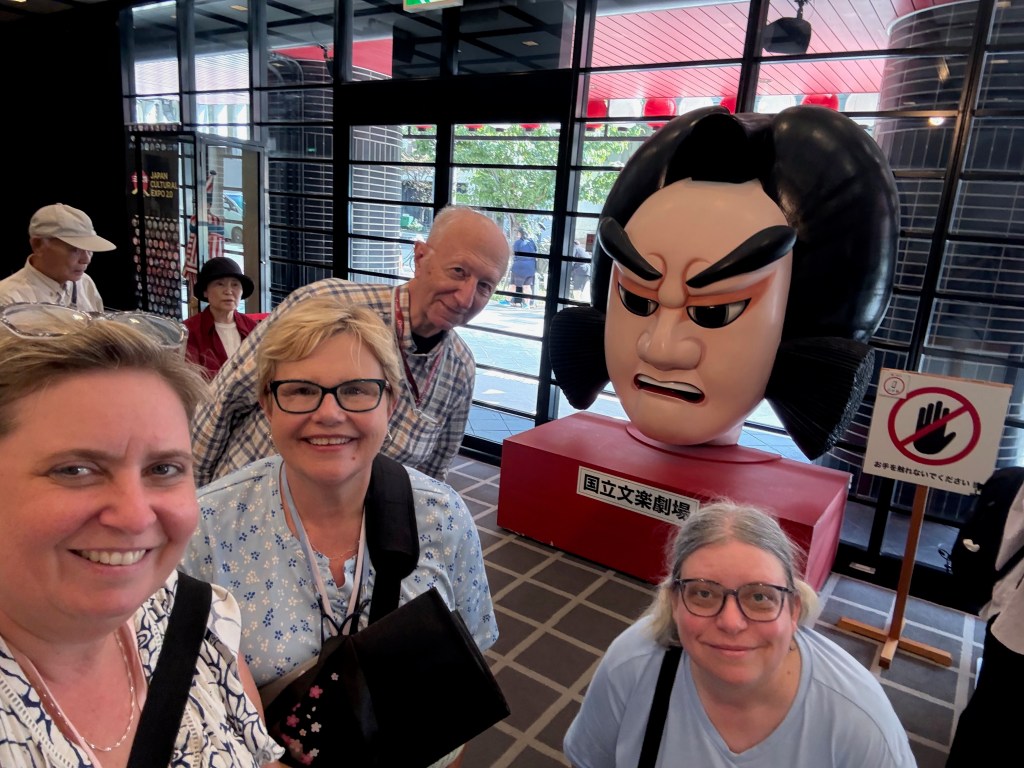
Susan again got us into a traditional Japanese experience – a Bunraku puppet show (life-size puppets with manipulators also onstage in all black)
View from a bullet train
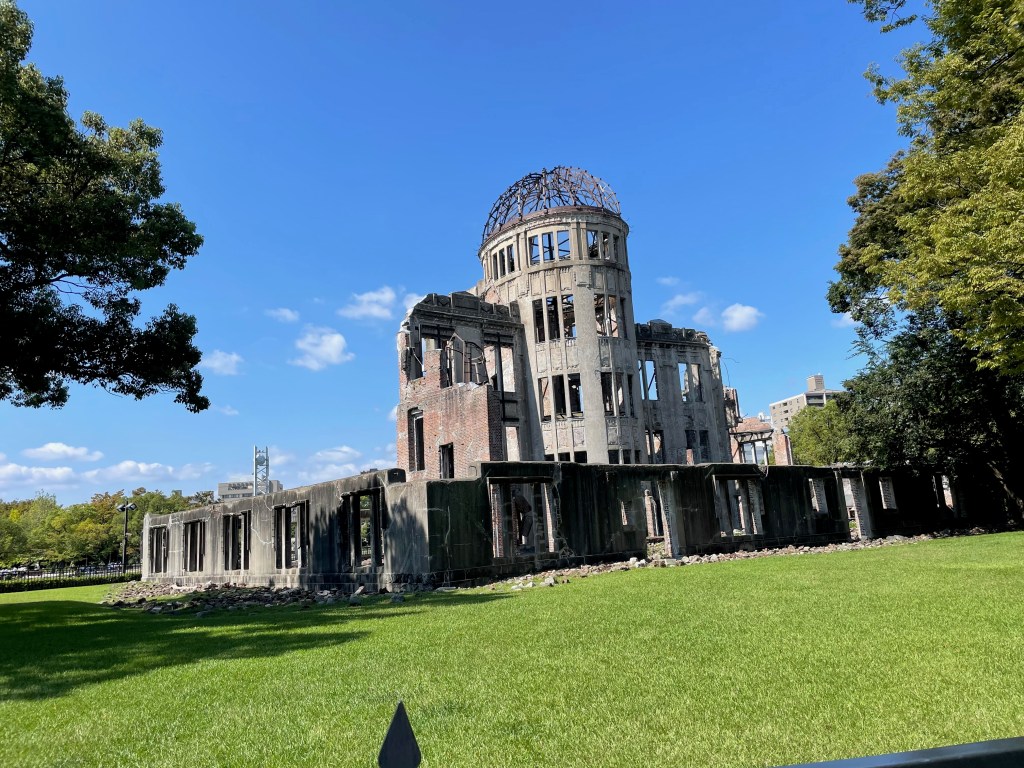
Hiroshima remains near the center point of destruction after the atomic bomb exploded at about 2,000 feet elevation.
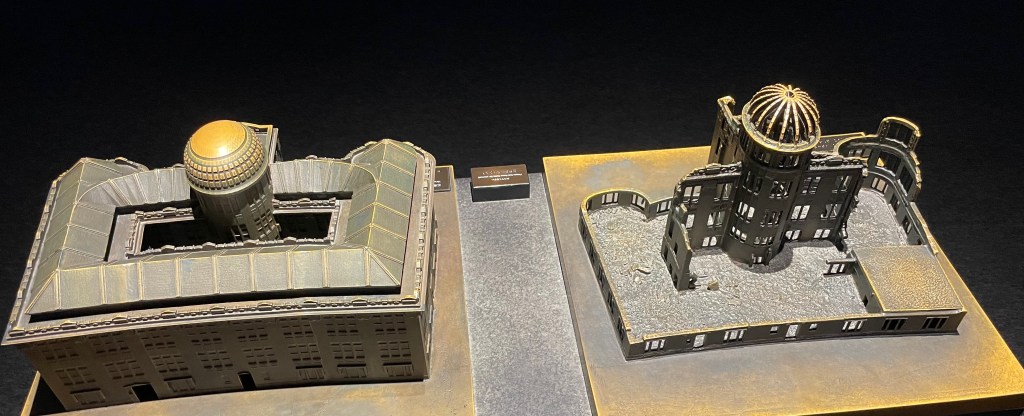
Before and after models of the scene above
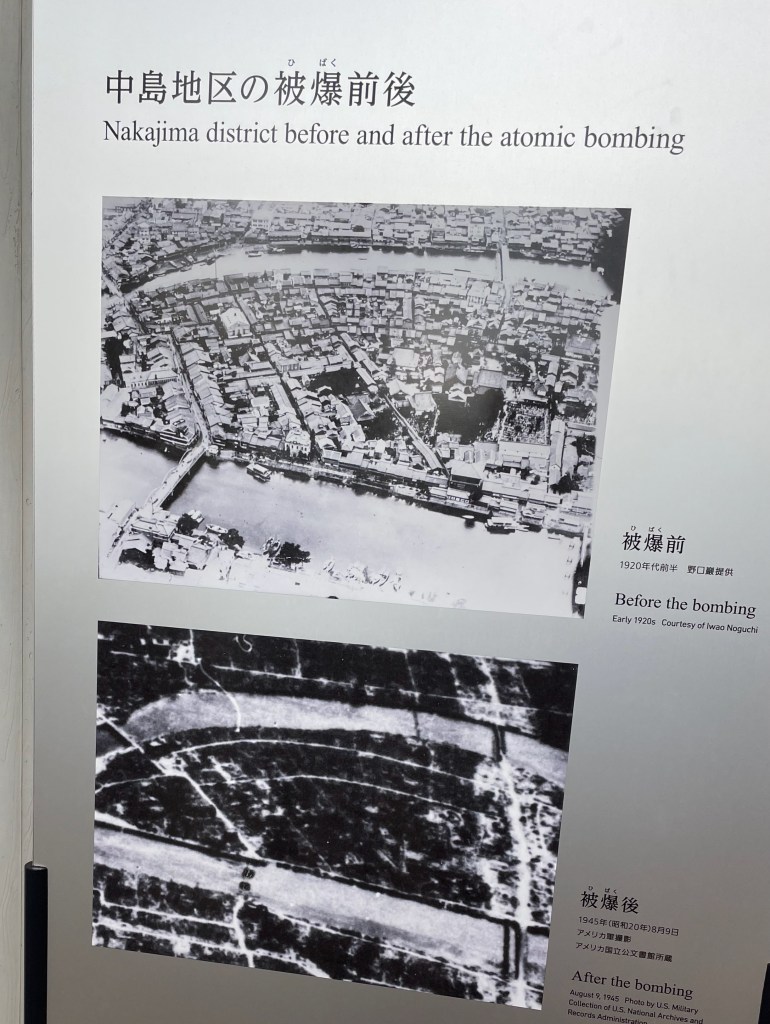
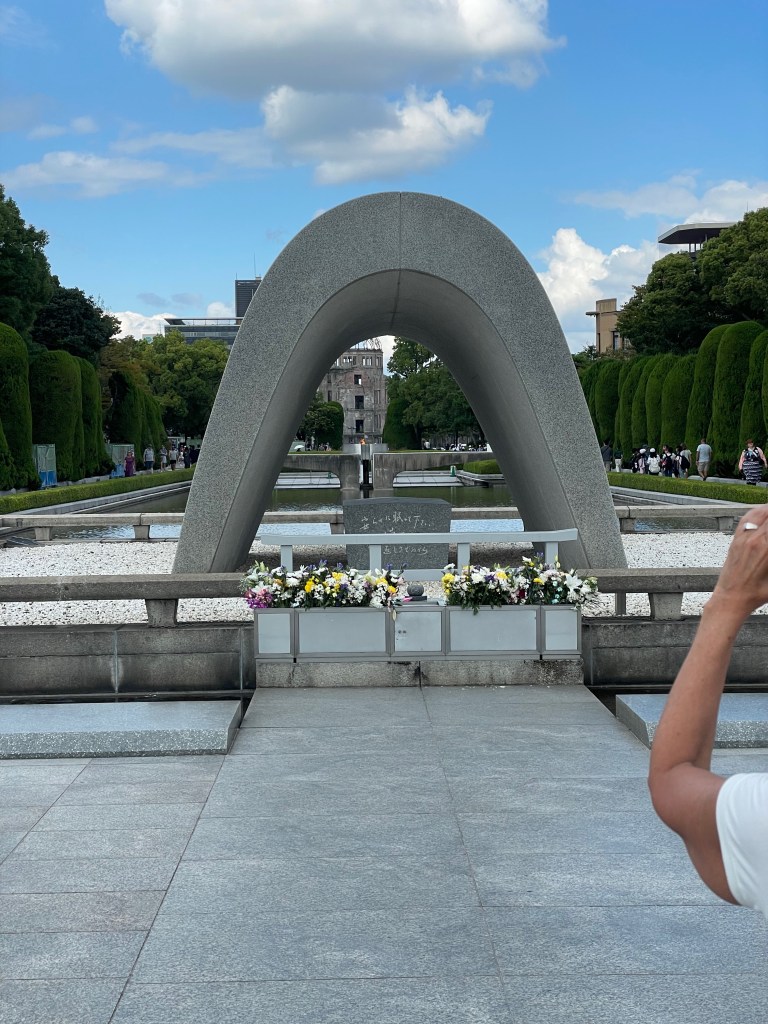
The Peace Park
The Hello Kitty bullet train arrives in Hiroshima
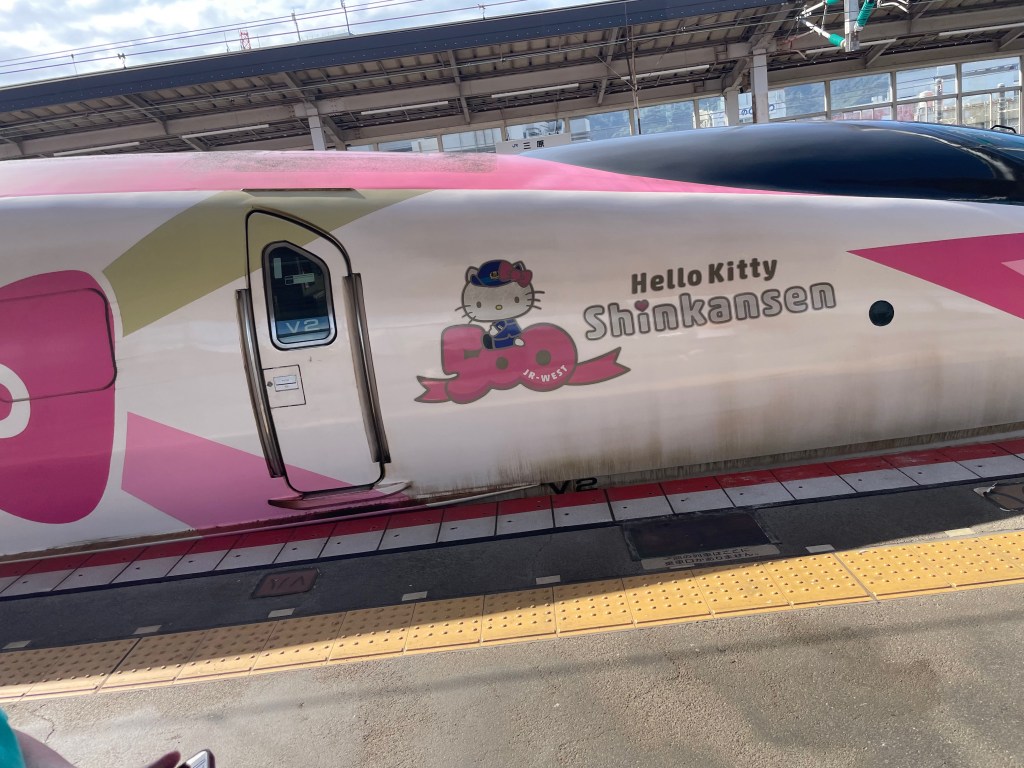

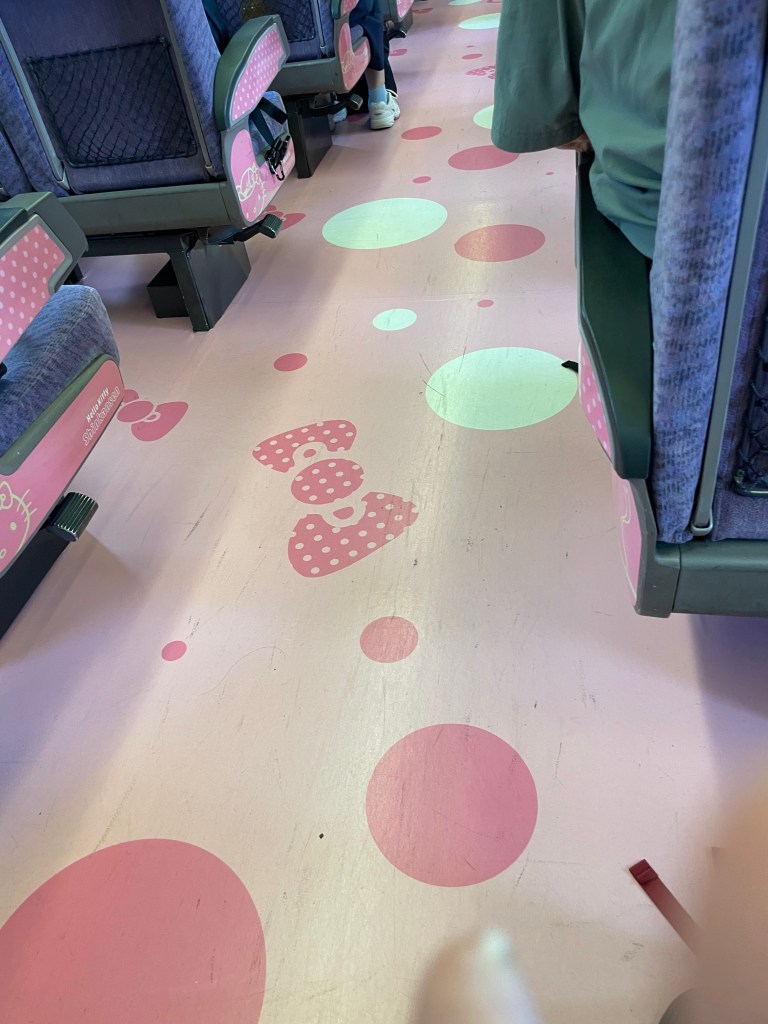
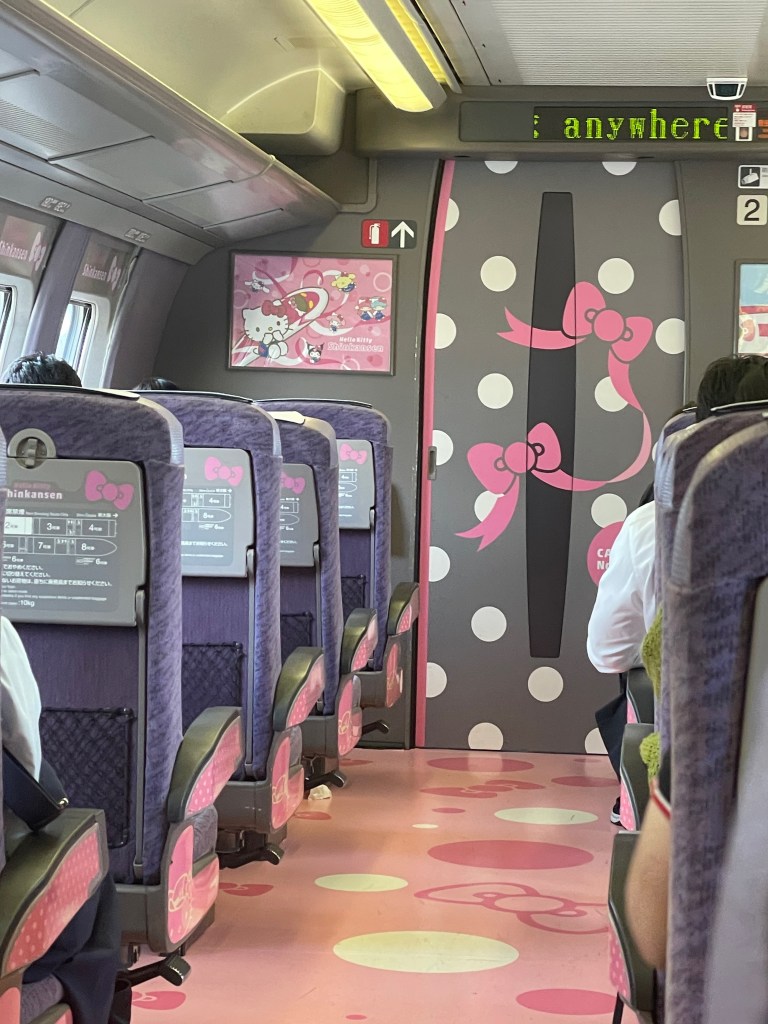
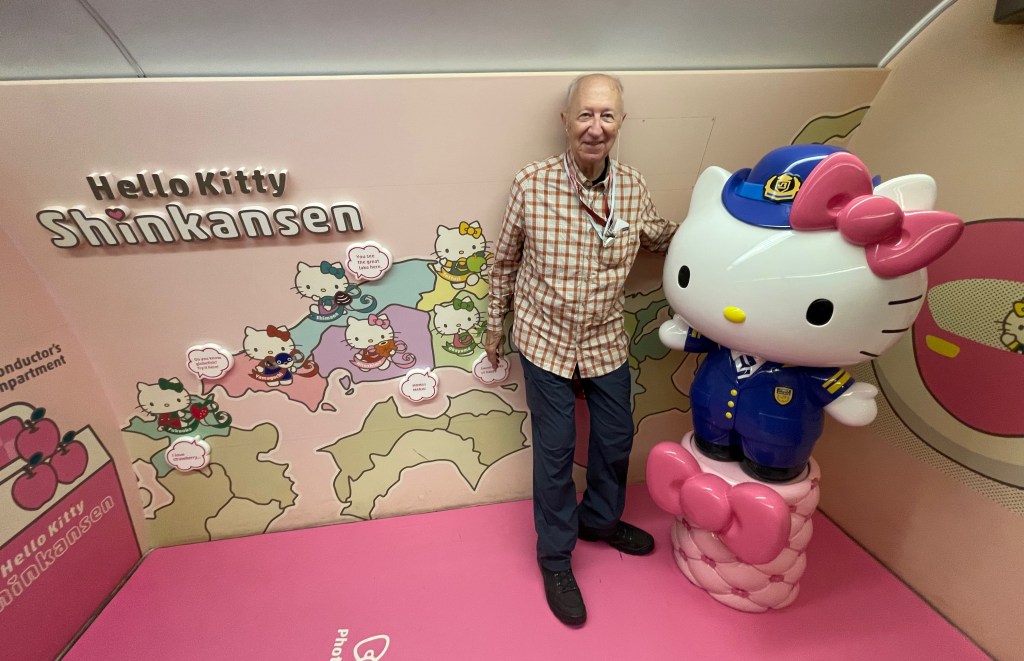

Shinkansen is the Japanese word for bullet train
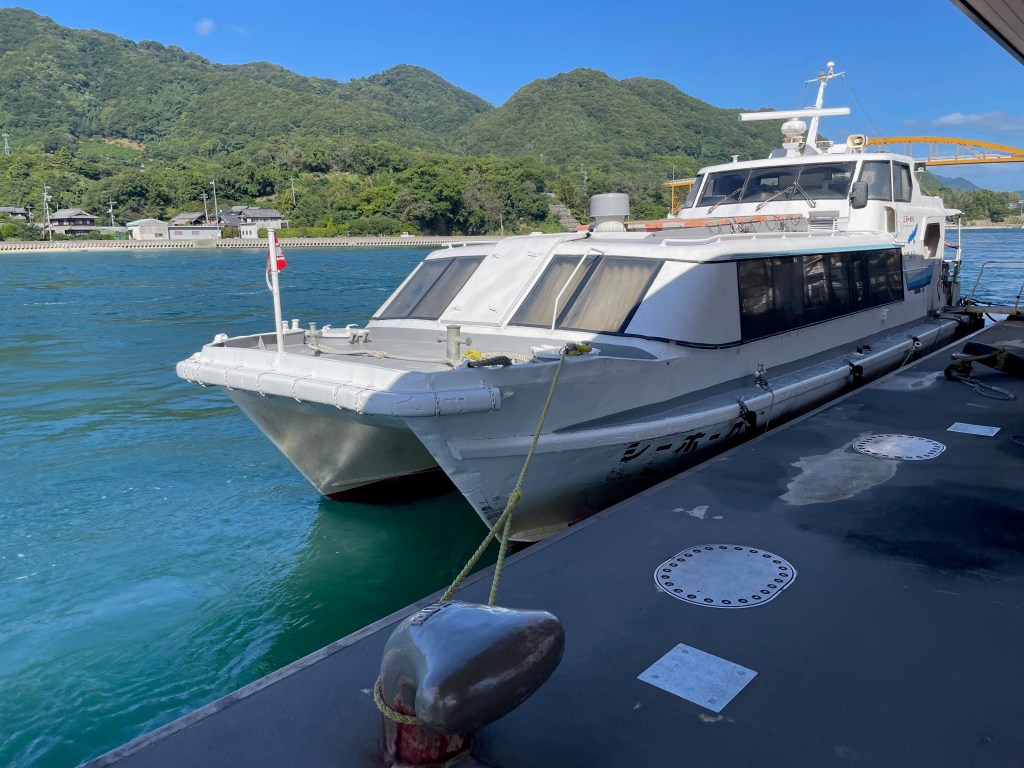
After the Hello Kitty bullet train, next was a boat ride at Setonaikai National Park
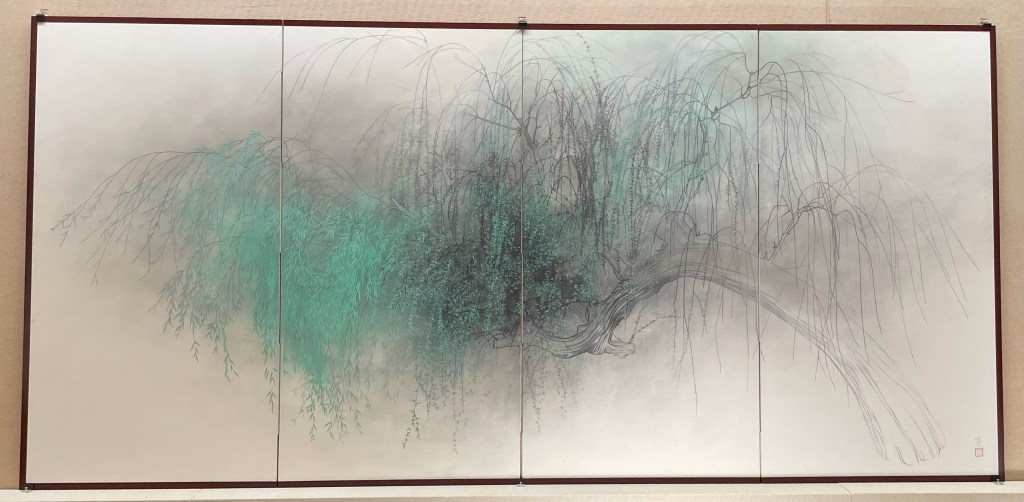
Art at Onomichi

On the Setodachosetoda temple grounds at Onomichi

At Shimanami Park

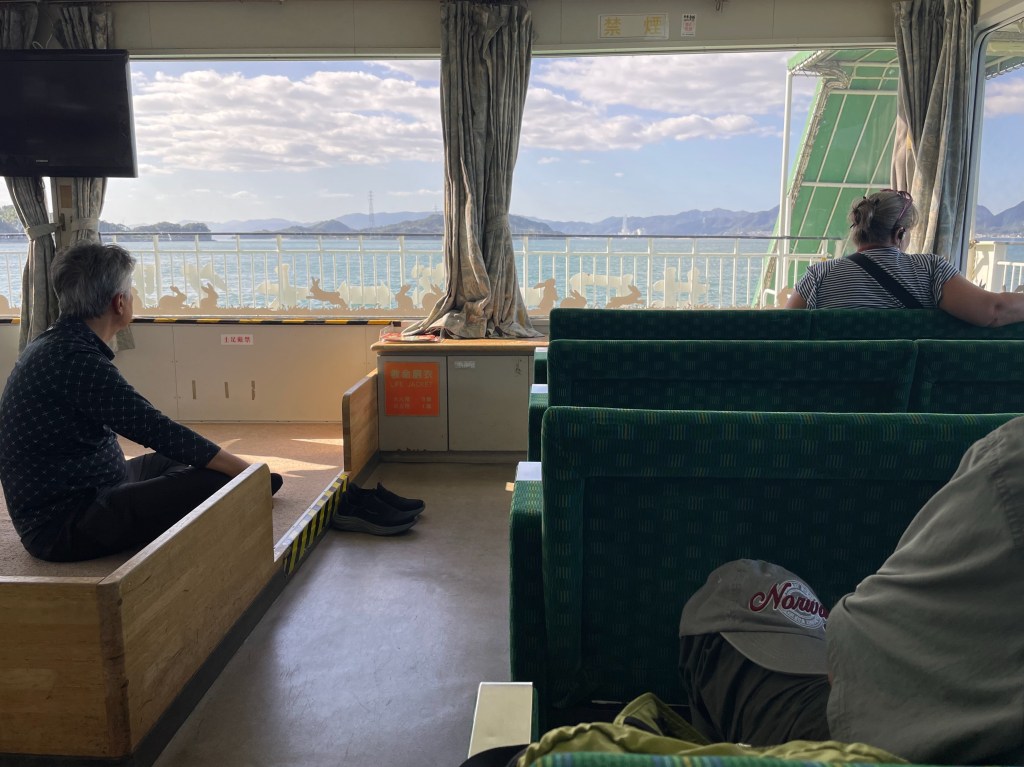
Imabari Ferry
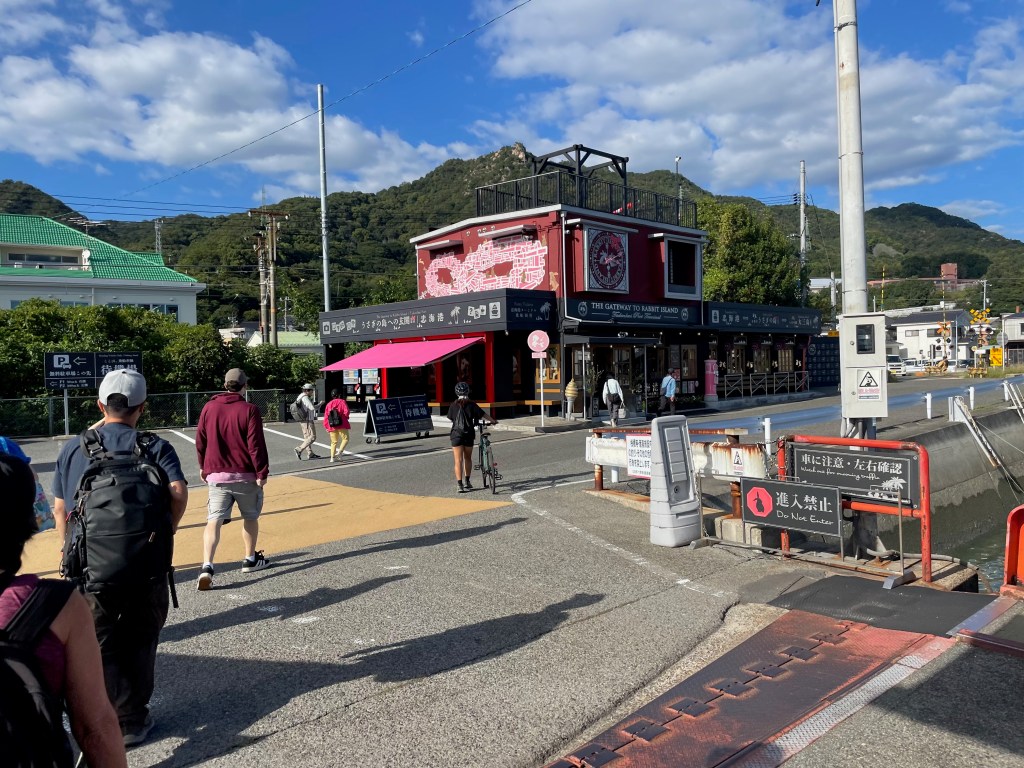
Waiting for the bus at Takehara
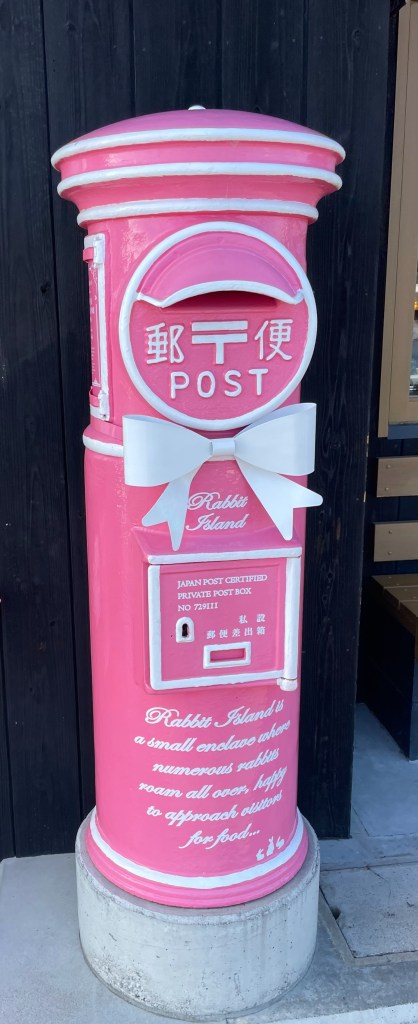
Takehara mailbox

After traveling by Hello Kitty bullet train, a boat, a ferry and a bus, we ended the day back in Hiroshima

Anoother use of an old car, this time a Packard
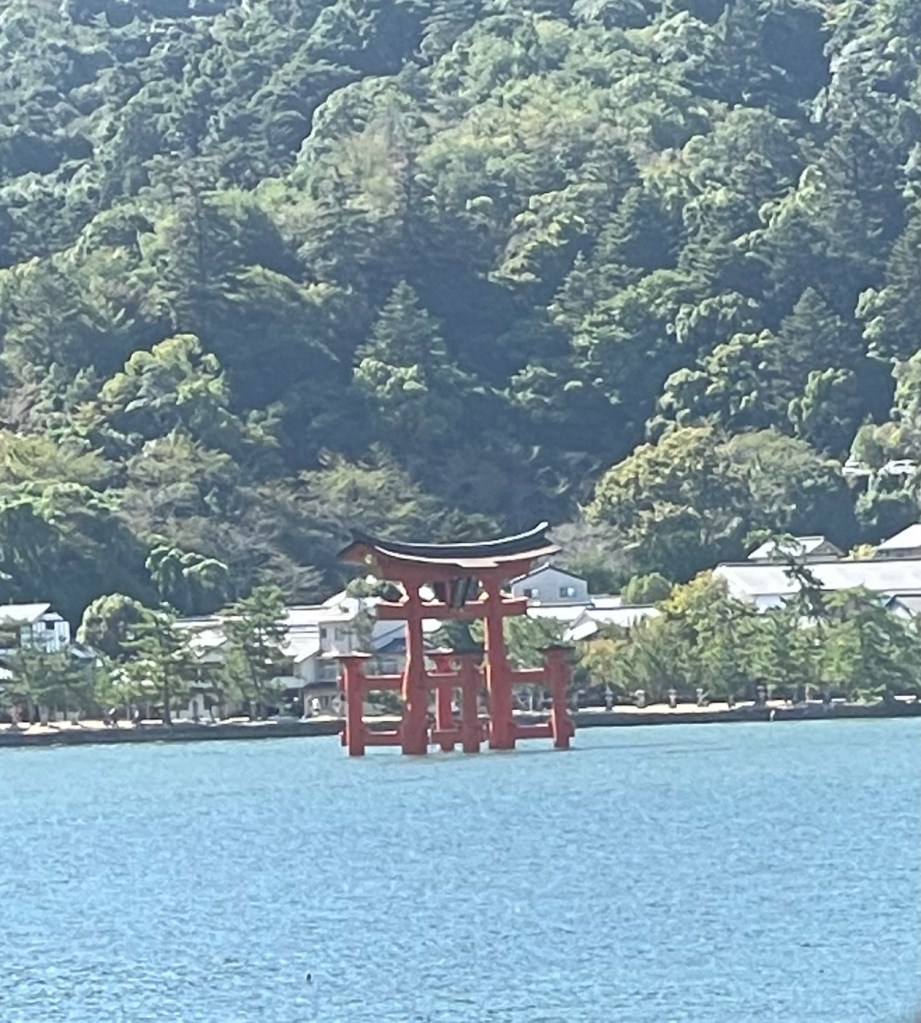
Setonaki Gate
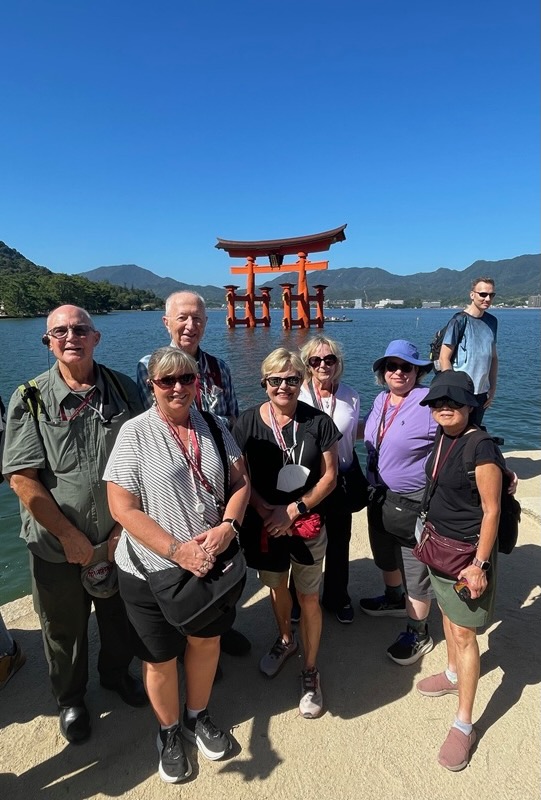
The gate from Miyajima Island

Miyajima deer
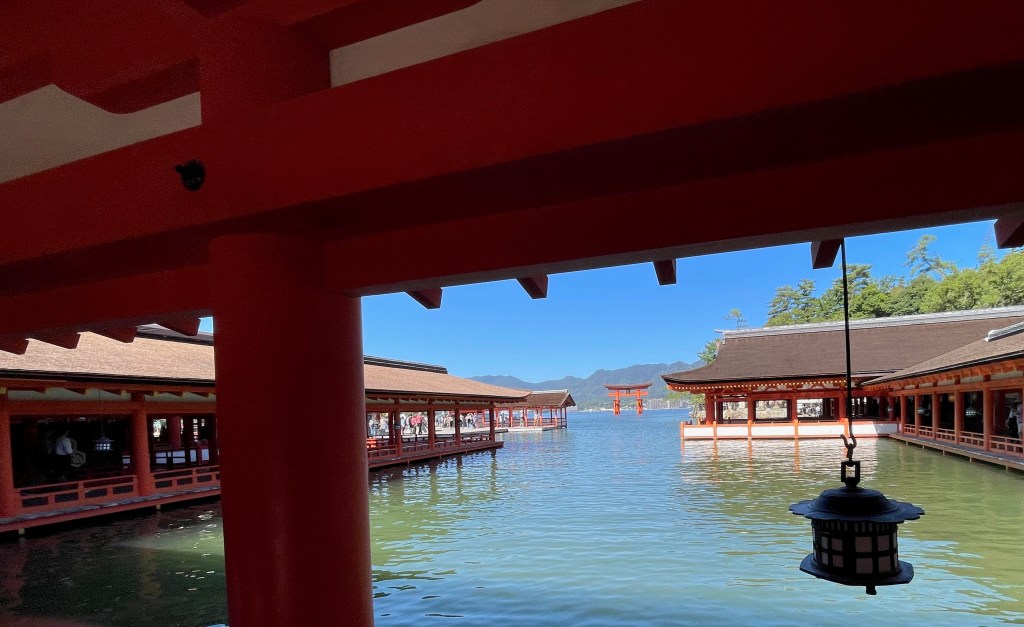
Itsukushima Shinto Shrine we were there just before the shrine was closed due to the high water level
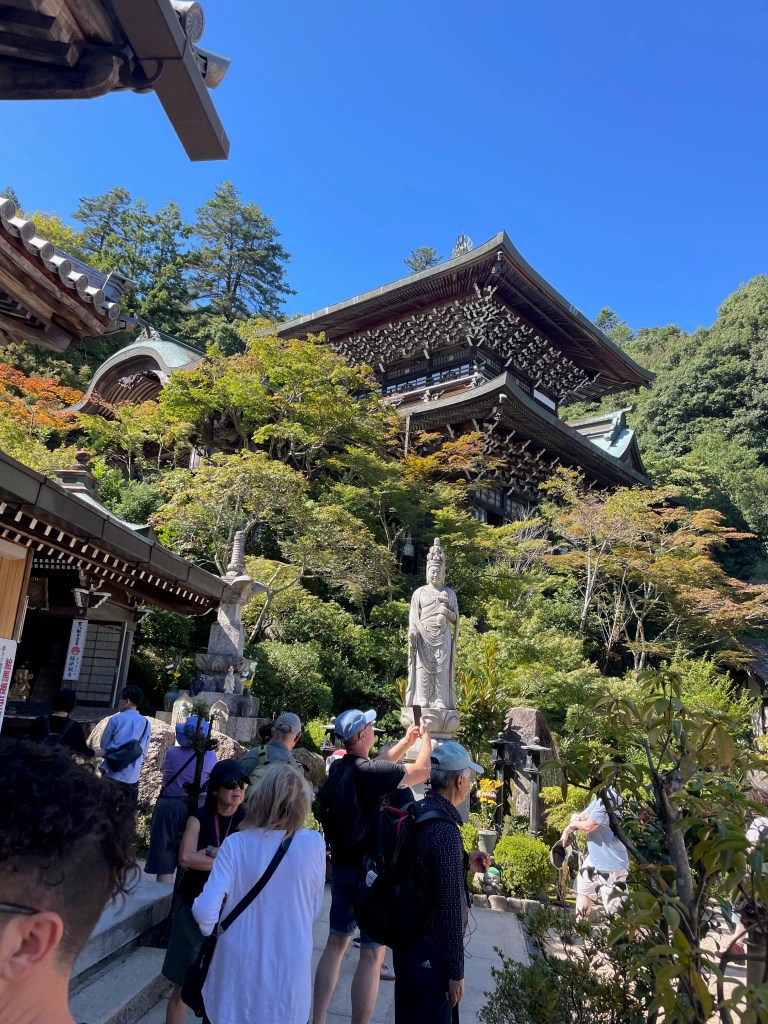
Daisho-in Buddhist Temple – Andy joked that for the Japanese tour, OAT stood for Oh! Another Temple
Since I am always interested in cars, here are some of the vehicles I saw in Japan. There were also plenty of German cars in Japan: Mercedes, BMW, Audi, VW. I only saw three American cars, two Jeeps and an Explorer. I saw no Accords, Celicas or other American-type Japanese cars (I did see one Tacoma). I did see a Subaru Outback but it looked to be a smaller version of mine. Interestingly, I saw about as many Porsches in Japan as I saw motorcycles (plenty of motor scooters. though).
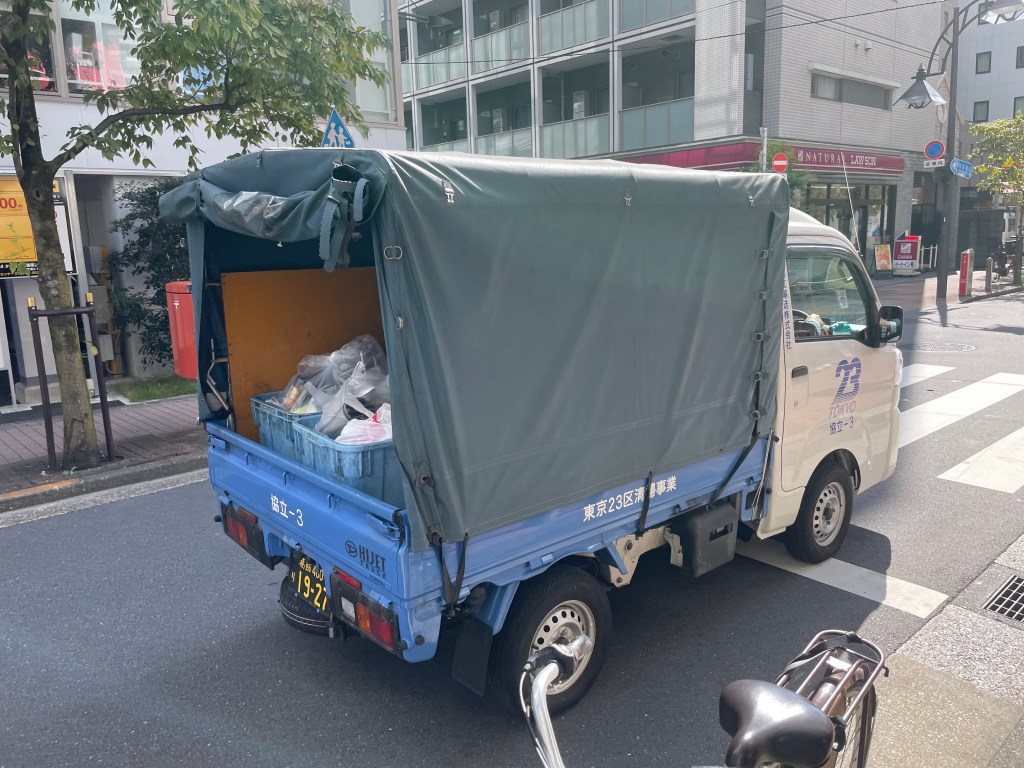
Recycling truck

Recycling Station
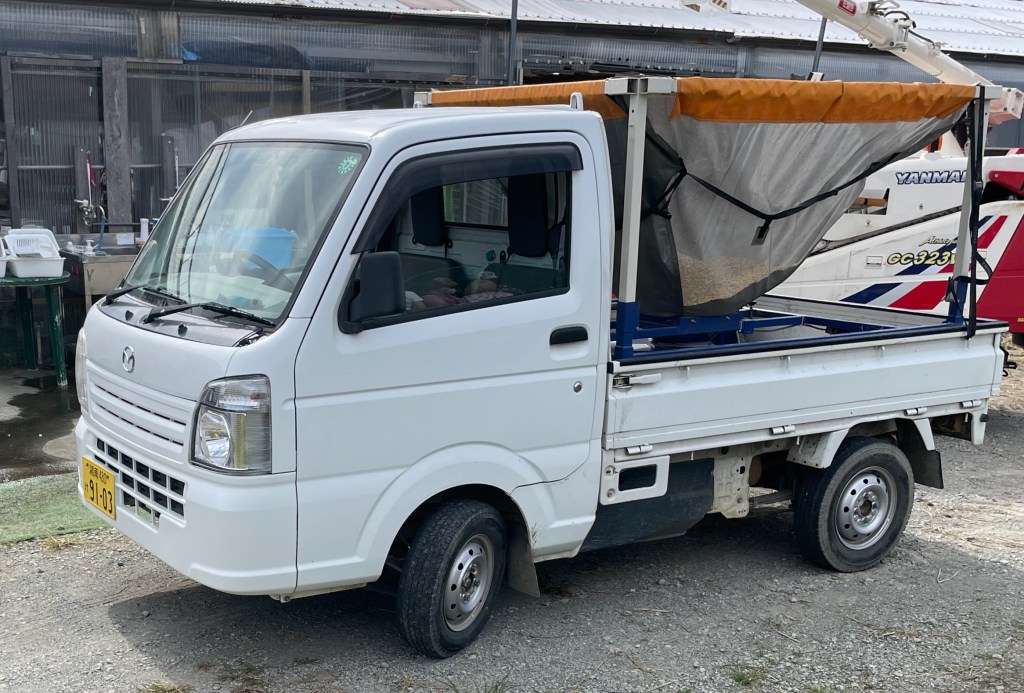
Farm truck
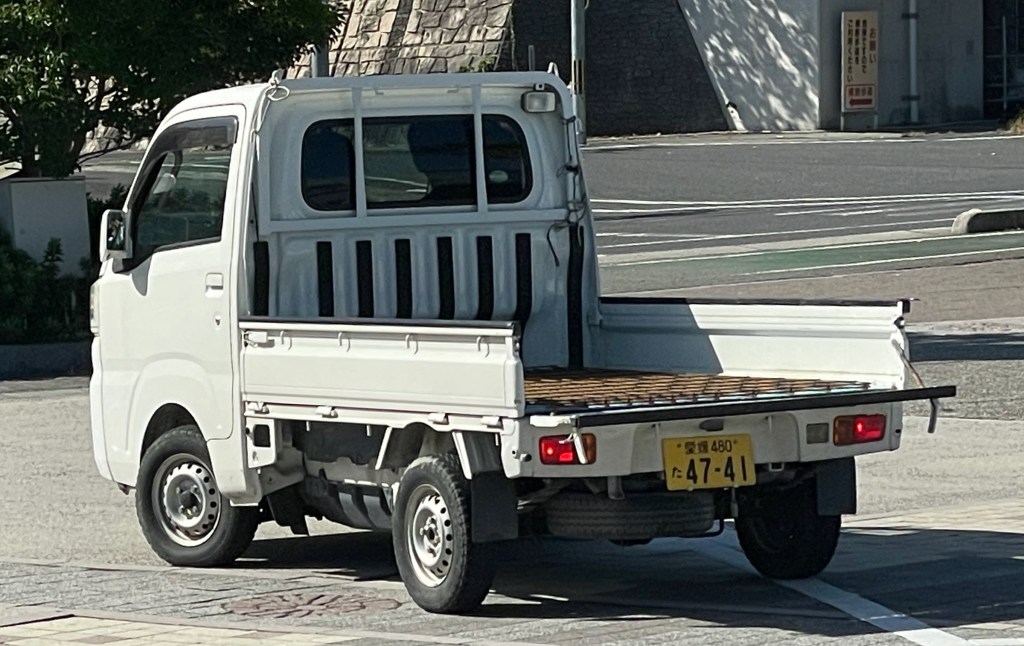
A small flat bed truck
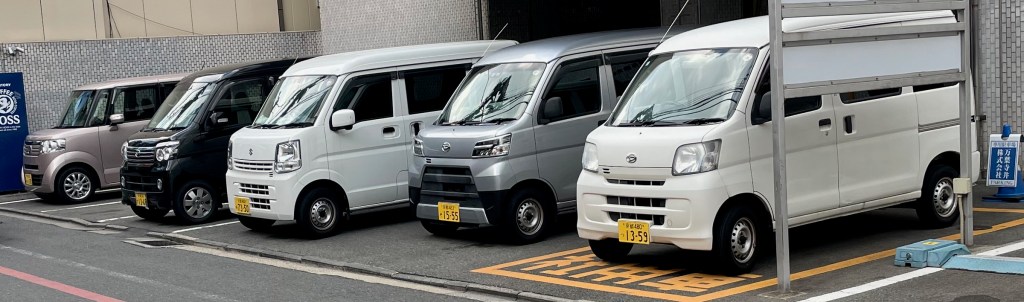
Mini-minivans – prevalent throughout Japan
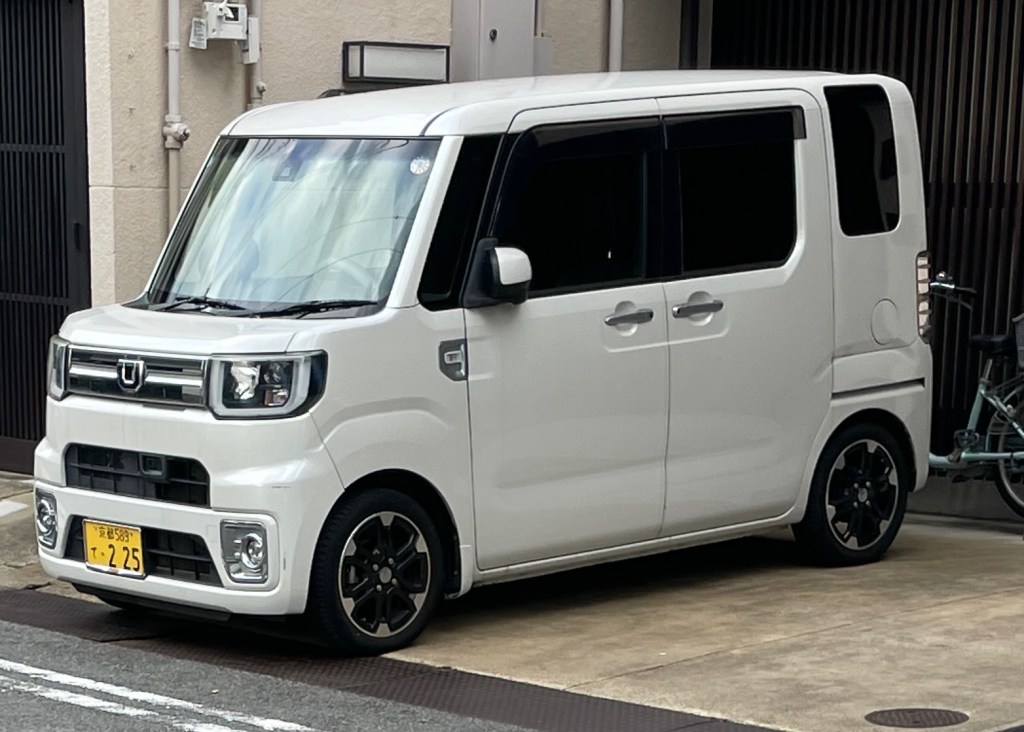
Honda version
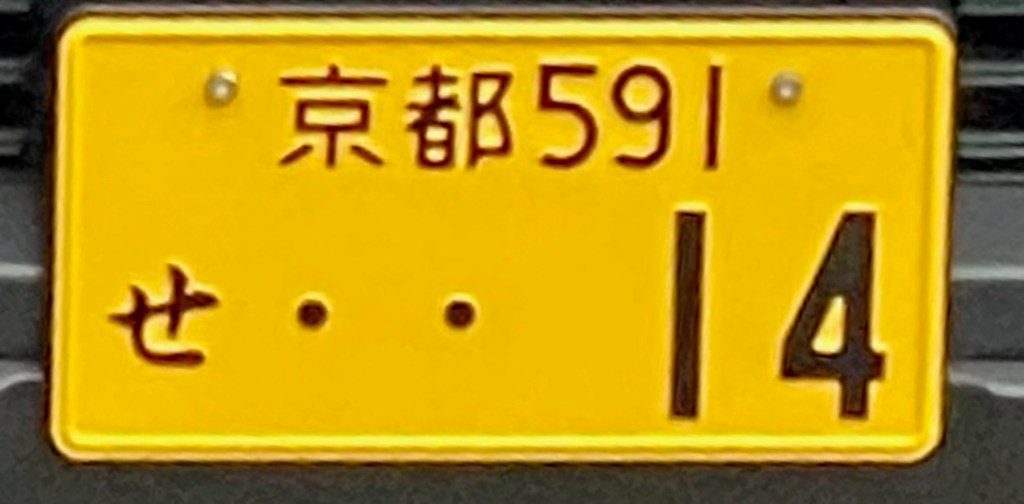
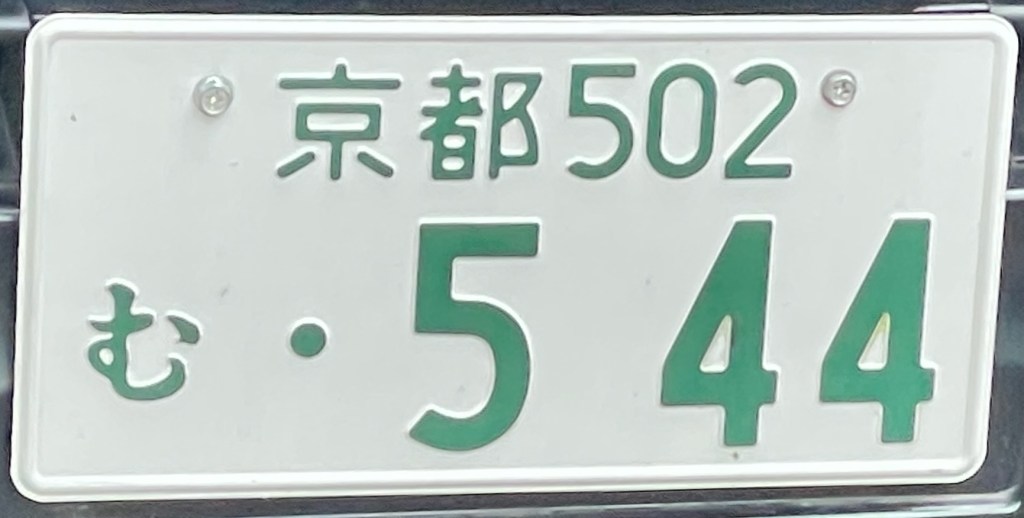
The interesting mix of numbers on Japanese license plates – the dots represent blank numbers
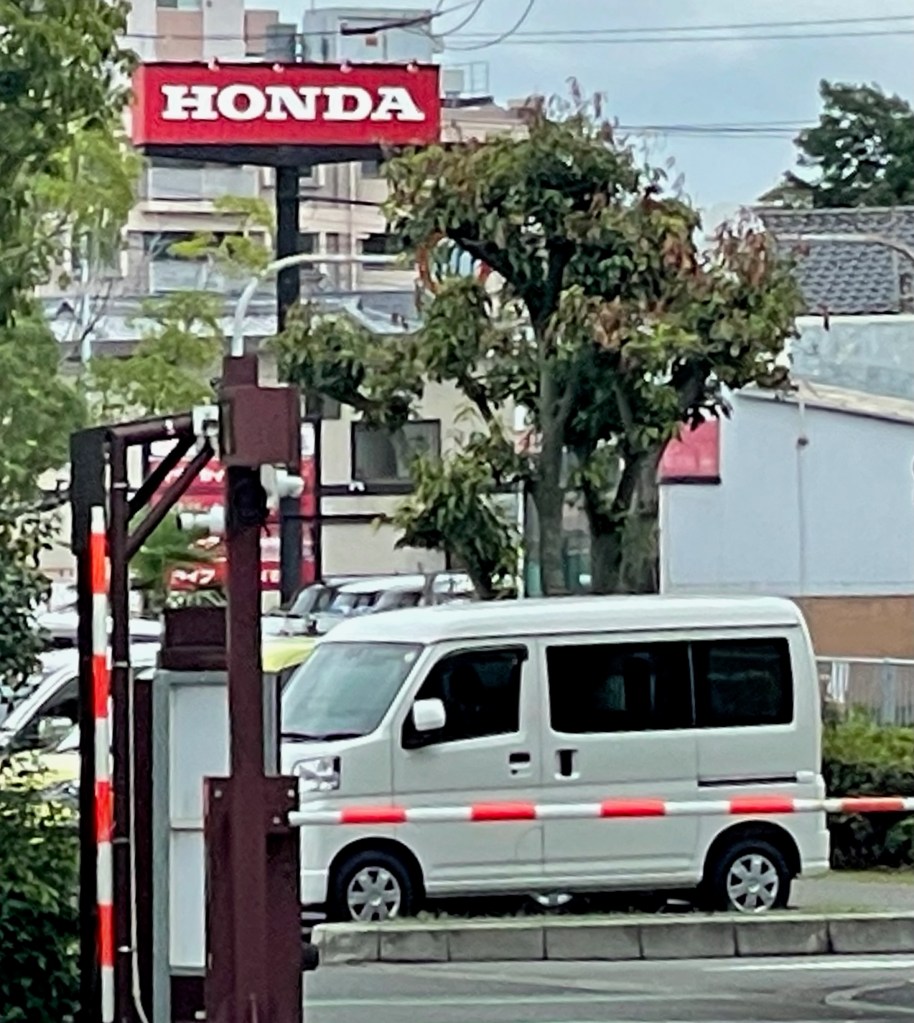
To indicate an elite status, many companies in Japan use English in their signs.
In closing, I will comment that Japan is extremely clean. Although the cities were crowded, the people were quiet, reserved, helpful and respectful.
 Ron's Travels